• [HERO] Hawaii Like a Pro: Luxury Travel Tips for an Unforgettable Escape

    Hawaii is calling you. Hawaii is waiting for you. Hawaii is the ultimate escape you’ve been dreaming of since your last Zoom meeting ran over by forty minutes.

    But let’s be honest. There is a “tourist” way to do Hawaii, and then there is the pro way to do Hawaii. You aren’t interested in crowded shuttle buses, lukewarm buffets, or fighting for a plastic lounge chair at 7:00 AM. You want the salt air, the private lanais, the hidden waterfalls, and the kind of service that makes you forget your own zip code. You want luxury. You want ease. You want an experience that feels like it was built specifically for you: because it was.

    At Time For Your Vacation, we don’t just book flights. We craft legacies. We handle the logistics that turn a standard trip into a legendary one. If you are looking for the definitive guide to navigating the islands with style, grace, and a healthy dose of wit, you’ve come to the right place.

    The Luxury Mindset: Why Planning is the Ultimate Amenity

    You work hard. You deserve a vacation that doesn’t feel like work. The biggest mistake affluent travelers make when heading to the Pacific is trying to “wing it.” Hawaii may feel laid back, but the best experiences: the private helicopter tours over the Na Pali coast, the chef’s table at Mama’s Fish House, the oceanfront villas: require a master’s touch in timing and connections.

    We take the stress out of the equation. We manage the minutiae so you can manage your tan. When you partner with us at https://timeforyourvacation.com, you aren’t just getting a travel agent; you’re getting a lifestyle concierge.

    Forget the Rental Car Nightmare

    Let’s talk about the first “pro” tip that will save your sanity: skip the rental car.

    In 2026, the rental car situation in Hawaii is still a logistical headache. Between the astronomical daily rates and the $65-per-night “valet fees” at high-end resorts, you’re paying a premium for a car that will mostly sit in a garage.

    Instead, opt for a private black car service. Imagine landing in Honolulu or Kahului and being whisked away in a climate-controlled SUV by a driver who knows exactly where the traffic isn’t. No lines. No paperwork. No searching for parking at a crowded trailhead. For your island excursions, we arrange private drivers and guides who offer local insights you won’t find on a GPS.

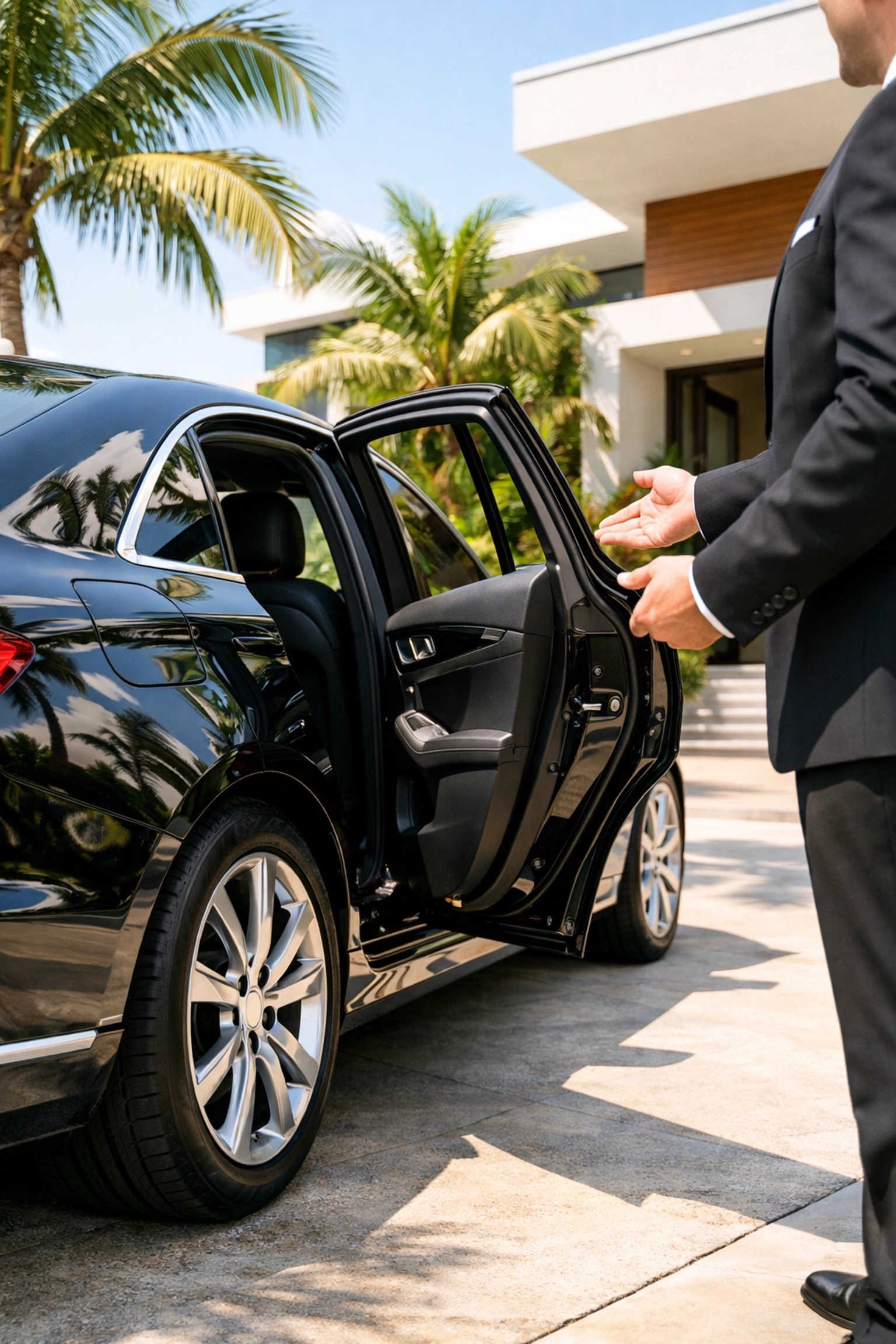
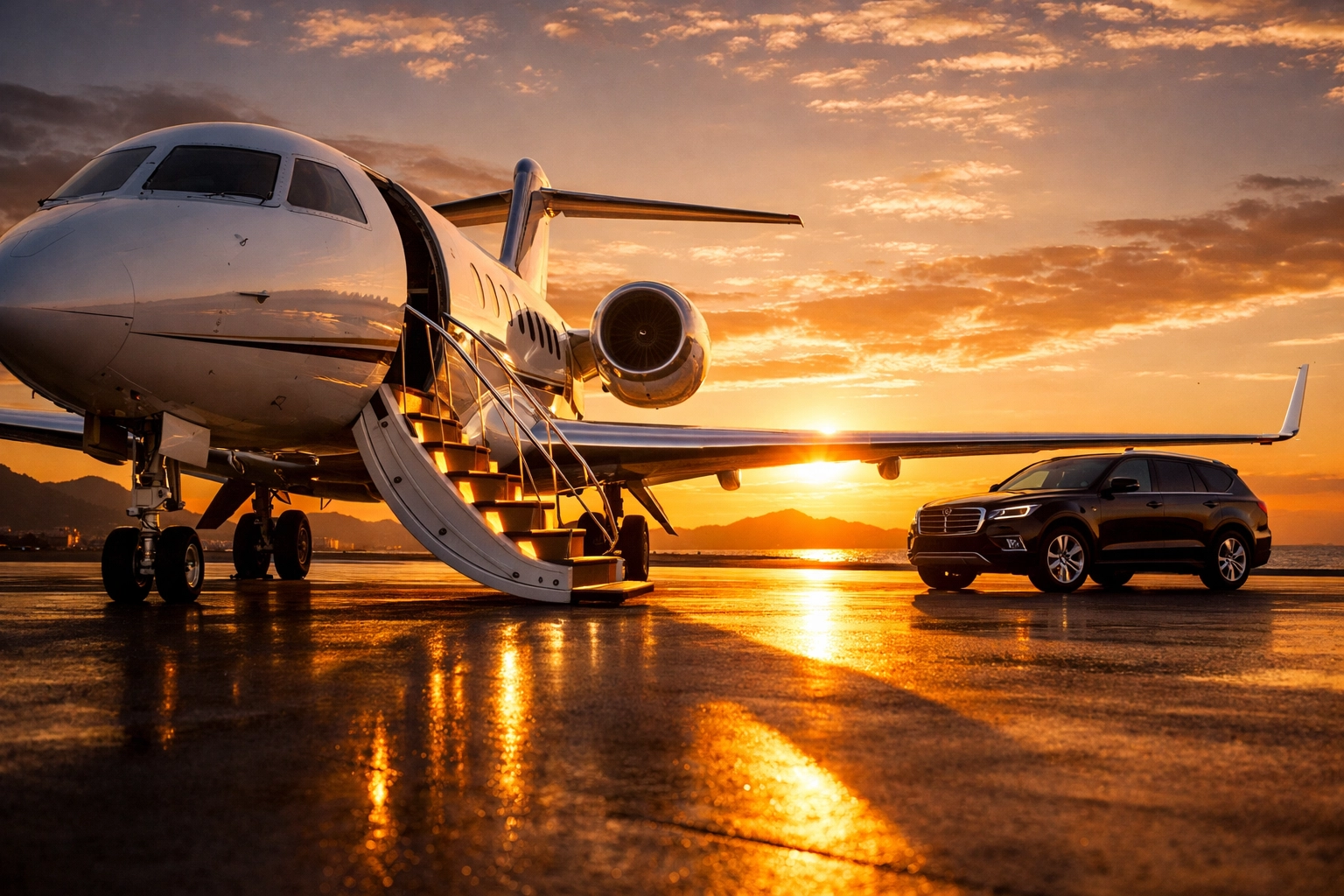
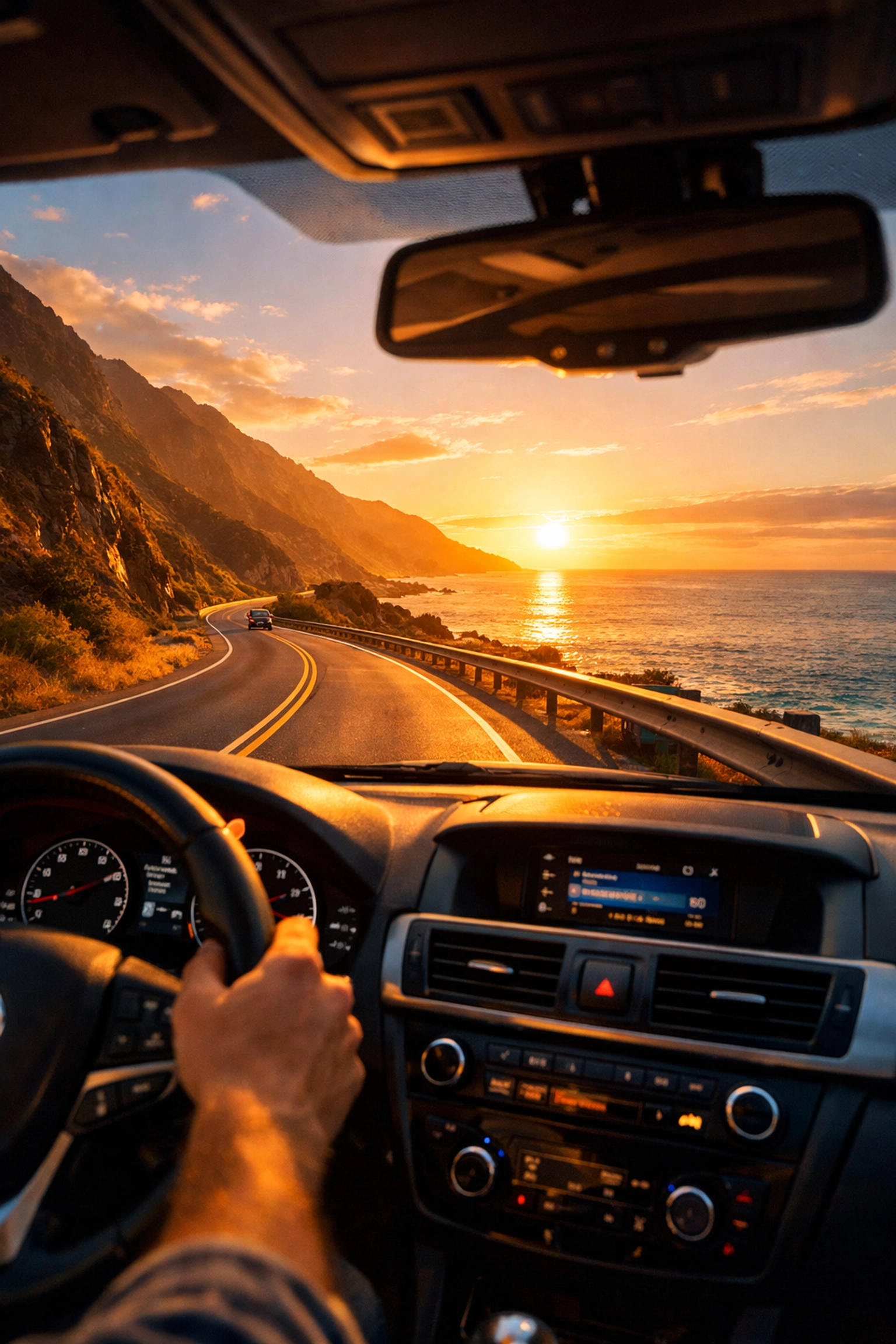
    A private luxury SUV and chauffeur waiting for travelers on a scenic coastal road in Hawaii.

    Oahu: Sophistication Meets the Surf

    Oahu is often dismissed by “island purists” as being too busy. They’re wrong. Oahu is where luxury meets culture in a way no other island can match. It’s the home of world-class shopping, five-star dining, and historical sites that demand your attention.

    Where to Stay

    If you want to be near the action but tucked away in a sanctuary, The Ritz-Carlton Residences, Waikiki Beach offers an elevated experience, literally. Every room has an ocean view, and the infinity pool is the highest in Waikiki.

    However, if you want to escape the city entirely, head to the North Shore. The Ritz-Carlton Turtle Bay has been reimagined as a pinnacle of refined hospitality. It’s rugged, it’s beautiful, and it feels like the Hawaii of the movies.

    Pro Tip: The Private Pearl Harbor Experience

    Don’t stand in line with the masses. We arrange private, after-hours or expert-led tours of Pearl Harbor. Seeing the USS Arizona Memorial with a dedicated historian provides a depth of understanding that a standard tour simply can’t replicate.

    Lanai: The Private Island Experience

    Lanai is the island of “no.” No traffic lights. No crowds. No stress. It is effectively a private playground for those who value seclusion above all else.

    The Dual Four Seasons Strategy

    Lanai is home to two of the most distinct Four Seasons properties in the world.

    1. Four Seasons Resort Lanai: This is your classic oceanfront luxury. Think world-class golf, a Nobu on-site, and a lagoon-style pool where the staff anticipates your need for a chilled towel before you even feel the heat.
    2. Sensei Lanai, A Four Seasons Resort: This is an adult-only wellness sanctuary. If you need to reset your soul, this is where you go. It features private spa “halés” (houses) with their own hot tubs, saunas, and outdoor showers.

    The Water is Yours

    On Lanai, we recommend booking a private yacht for the day. Whether you want to go whale watching (during the winter months) or snorkel in the protected waters of Manele Bay, having your own vessel means you set the pace. The Kalama Kai yacht experience is a favorite among our clients: it combines luxury with authentic Hawaiian storytelling from a captain who knows these waters like the back of his hand.
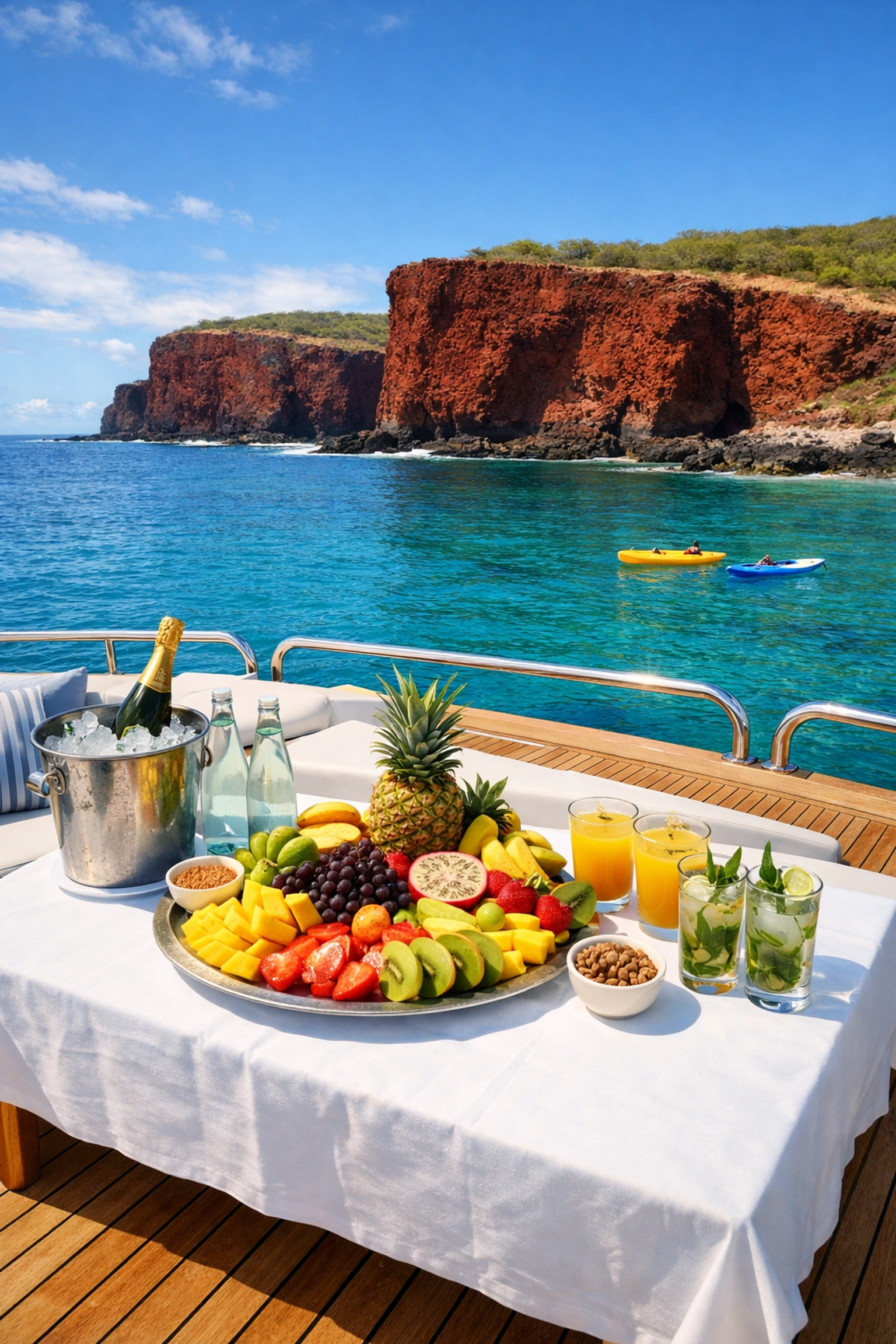
    Private luxury yacht anchored in the turquoise waters of Manele Bay, Lanai, with a fruit spread on deck.

    Maui: The Valley Isle’s Hidden Gems

    Maui is a perennial favorite for a reason. It offers the perfect balance of adventure and indulgence. But to do Maui like a pro, you have to look beyond the surface.

    The Road to Hana: The Right Way

    Most people spend ten hours cramped in a sedan, fighting for a view of a waterfall. You? You take a private helicopter. We can arrange a “doors-off” flight that drops you at a private estate in Hana for a catered lunch before whisking you back to your resort in time for sunset cocktails.

    Dining in Style

    Skip the generic hotel buffet. We secure reservations at the most exclusive tables on the island. Whether it’s a private chef-led dinner on a moonlit beach or a table at the elusive Mama’s Fish House (which often requires booking six months in advance: don’t worry, we handle that), your palate will be as pampered as your body.

    Kauai: Nature, Untamed and Unmatched

    Kauai is for the traveler who wants to feel the power of the earth. It is the oldest island, the greenest island, and perhaps the most spiritual.

    1 Hotel Hanalei Bay

    This is the new gold standard for sustainable luxury. Located on the North Shore, it offers views of the “Cathedrals” of the Na Pali coast that will take your breath away. The focus here is on wellness: think sunrise meditation, organic local fare, and a design aesthetic that blurs the line between the indoors and the lush outdoors.

    The Na Pali Coast

    You haven’t seen Hawaii until you’ve seen the Na Pali coast from the water. Skip the “catamaran for 50 people” and let us book you a private luxury powerboat. You’ll dart in and out of sea caves and snorkel in coves that larger boats can’t reach.
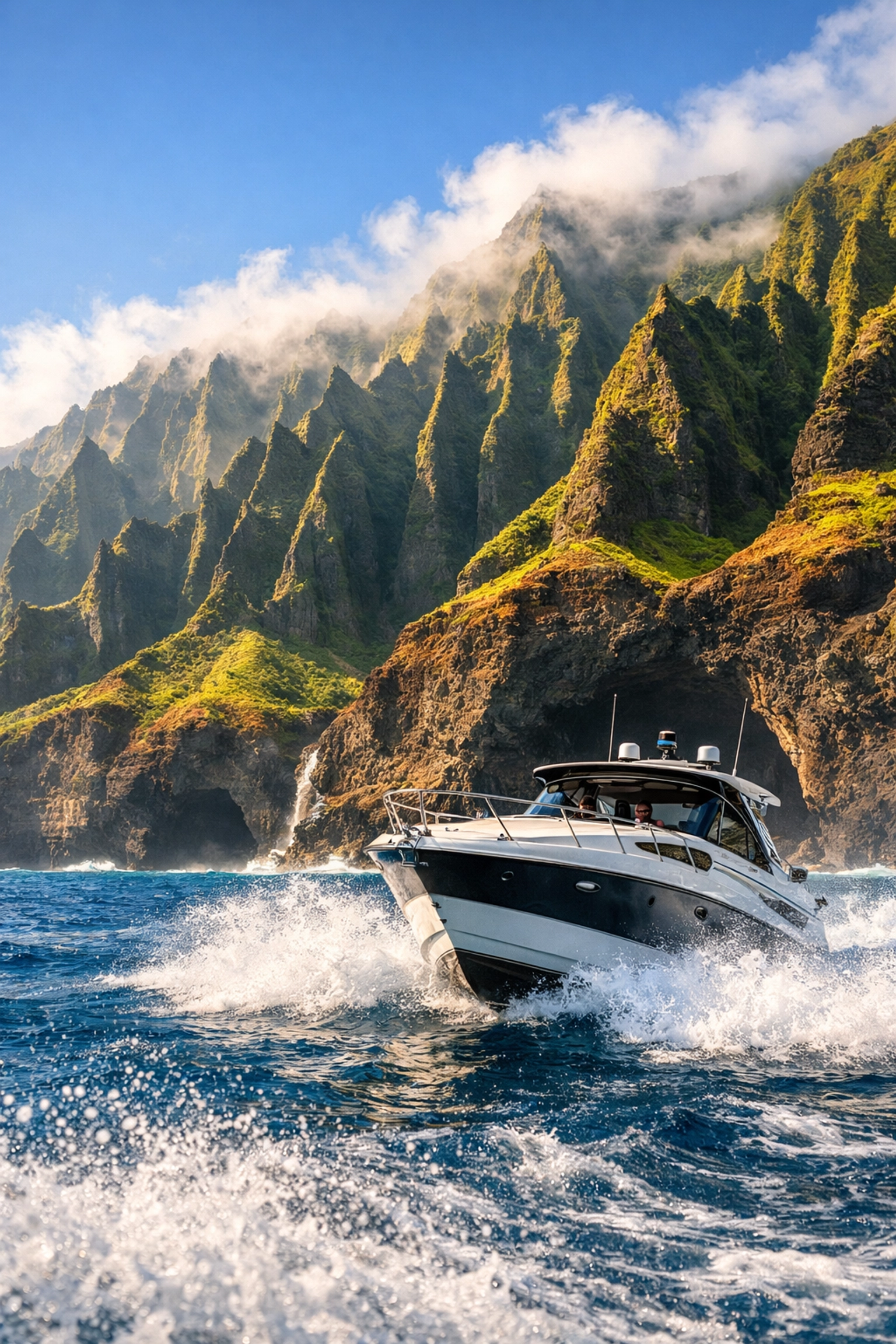
    A private powerboat cruising along the majestic emerald-green cliffs of the Na Pali Coast in Kauai.

    The “Pro” Protocol: Customs and Sustainability

    Luxury isn’t just about what you receive; it’s about how you interact with the world. To travel like a pro in Hawaii, you must respect the Aina (the land) and the local culture.

    1. Reef-Safe is Mandatory: Do not bring standard sunscreen. The chemicals kill the coral. We recommend high-end, mineral-based, reef-safe brands that feel like silk on your skin and keep the ocean vibrant.
    2. Shoes Off: When entering a home or certain private villas, it is customary to leave your shoes at the door. It’s a sign of respect and keeps the sacred spaces clean.
    3. Cultural Immersion: Seek out authentic experiences. Lei-making with a master practitioner or a private hula lesson isn’t just “tourist stuff”: it’s a gateway to understanding the heart of the islands.
    Time For Your Vacation Two colorful suitcases, one orange with travel stickers and one yellow with headphones, are placed next to the bold business name 'Time For Your Vacation,' highlighting luxury travel planning and personalized concierge services.

    Why “Time For Your Vacation” is Your Secret Weapon

    You could spend forty hours researching the best sushi in Honolulu, or you could spend forty seconds emailing us. We know the general managers. We know the private pilots. We know the secret spots where the sea turtles bask without a selfie-stick in sight.

    We believe that your time is your most valuable asset. When you trust us with your Hawaiian escape, you are reclaiming that time. We provide a seamless, end-to-end experience that starts the moment you leave your front door.

    Whether you want a multi-island hop via private jet or a single-island deep dive into relaxation, we are the experts who make it happen. You aren’t just taking a trip. You are experiencing Hawaii the way it was meant to be seen: with awe, with comfort, and with zero logistical nightmares.

    Ready to book?

    I am personally ready to help you design your dream itinerary. We don’t do “cookie-cutter.” We do “once-in-a-lifetime,” every single time.

    Hawaii is waiting. Let’s make sure you see it like a pro.

    Contact us today to start your journey.


    Visit www.TimeForYourVacation.com to start planning your next adventure. Check out www.DaveTheTourGuide.com for personalized travel guidance and insider tips. And keep reading www.TimeForYourVacation.blog for more honest takes on the travel industry and how to navigate it like a pro. Try our Luxury concierge with www.BlackKeyElite.com . And listen to my podcast! https://www.podomatic.com/podcasts/contact24682

  • [HERO] Hawaii Like a Pro: Luxury Travel Tips for an Unforgettable Escape

    Hawaii is calling you. Hawaii is waiting for you. Hawaii is the ultimate escape you’ve been dreaming of since your last Zoom meeting ran over by forty minutes.

    But let’s be honest. There is a “tourist” way to do Hawaii, and then there is the pro way to do Hawaii. You aren’t interested in crowded shuttle buses, lukewarm buffets, or fighting for a plastic lounge chair at 7:00 AM. You want the salt air, the private lanais, the hidden waterfalls, and the kind of service that makes you forget your own zip code. You want luxury. You want ease. You want an experience that feels like it was built specifically for you: because it was.

    At Time For Your Vacation, we don’t just book flights. We craft legacies. We handle the logistics that turn a standard trip into a legendary one. If you are looking for the definitive guide to navigating the islands with style, grace, and a healthy dose of wit, you’ve come to the right place.

    The Luxury Mindset: Why Planning is the Ultimate Amenity

    You work hard. You deserve a vacation that doesn’t feel like work. The biggest mistake affluent travelers make when heading to the Pacific is trying to “wing it.” Hawaii may feel laid back, but the best experiences: the private helicopter tours over the Na Pali coast, the chef’s table at Mama’s Fish House, the oceanfront villas: require a master’s touch in timing and connections.

    Forget the Rental Car Nightmare

    Let’s talk about the first “pro” tip that will save your sanity: skip the rental car.

    In 2026, the rental car situation in Hawaii is still a logistical headache. Between the astronomical daily rates and the $65-per-night “valet fees” at high-end resorts, you’re paying a premium for a car that will mostly sit in a garage.

    Instead, opt for a private black car service. Imagine landing in Honolulu or Kahului and being whisked away in a climate-controlled SUV by a driver who knows exactly where the traffic isn’t. No lines. No paperwork. No searching for parking at a crowded trailhead. For your island excursions, we arrange private drivers and guides who offer local insights you won’t find on a GPS.

    A private luxury SUV and chauffeur waiting for travelers on a scenic coastal road in Hawaii.

    Oahu: Sophistication Meets the Surf

    Oahu is often dismissed by “island purists” as being too busy. They’re wrong. Oahu is where luxury meets culture in a way no other island can match. It’s the home of world-class shopping, five-star dining, and historical sites that demand your attention.

    Where to Stay

    If you want to be near the action but tucked away in a sanctuary, The Ritz-Carlton Residences, Waikiki Beach offers an elevated experience, literally. Every room has an ocean view, and the infinity pool is the highest in Waikiki.

    However, if you want to escape the city entirely, head to the North Shore. The Ritz-Carlton Turtle Bay has been reimagined as a pinnacle of refined hospitality. It’s rugged, it’s beautiful, and it feels like the Hawaii of the movies.

    Pro Tip: The Private Pearl Harbor Experience

    Don’t stand in line with the masses. We arrange private, after-hours or expert-led tours of Pearl Harbor. Seeing the USS Arizona Memorial with a dedicated historian provides a depth of understanding that a standard tour simply can’t replicate.

    Lanai: The Private Island Experience

    Lanai is the island of “no.” No traffic lights. No crowds. No stress. It is effectively a private playground for those who value seclusion above all else.

    The Dual Four Seasons Strategy

    Lanai is home to two of the most distinct Four Seasons properties in the world.

    1. Four Seasons Resort Lanai: This is your classic oceanfront luxury. Think world-class golf, a Nobu on-site, and a lagoon-style pool where the staff anticipates your need for a chilled towel before you even feel the heat.
    2. Sensei Lanai, A Four Seasons Resort: This is an adult-only wellness sanctuary. If you need to reset your soul, this is where you go. It features private spa “halés” (houses) with their own hot tubs, saunas, and outdoor showers.

    The Water is Yours

    On Lanai, we recommend booking a private yacht for the day. Whether you want to go whale watching (during the winter months) or snorkel in the protected waters of Manele Bay, having your own vessel means you set the pace. The Kalama Kai yacht experience is a favorite among our clients: it combines luxury with authentic Hawaiian storytelling from a captain who knows these waters like the back of his hand.

    Private luxury yacht anchored in the turquoise waters of Manele Bay, Lanai, with a fruit spread on deck.

    Maui: The Valley Isle’s Hidden Gems

    Maui is a perennial favorite for a reason. It offers the perfect balance of adventure and indulgence. But to do Maui like a pro, you have to look beyond the surface.

    The Road to Hana: The Right Way

    Most people spend ten hours cramped in a sedan, fighting for a view of a waterfall. You? You take a private helicopter. We can arrange a “doors-off” flight that drops you at a private estate in Hana for a catered lunch before whisking you back to your resort in time for sunset cocktails.

    Dining in Style

    Skip the generic hotel buffet. We secure reservations at the most exclusive tables on the island. Whether it’s a private chef-led dinner on a moonlit beach or a table at the elusive Mama’s Fish House (which often requires booking six months in advance: don’t worry, we handle that), your palate will be as pampered as your body.

    Kauai: Nature, Untamed and Unmatched

    Kauai is for the traveler who wants to feel the power of the earth. It is the oldest island, the greenest island, and perhaps the most spiritual.

    1 Hotel Hanalei Bay

    This is the new gold standard for sustainable luxury. Located on the North Shore, it offers views of the “Cathedrals” of the Na Pali coast that will take your breath away. The focus here is on wellness: think sunrise meditation, organic local fare, and a design aesthetic that blurs the line between the indoors and the lush outdoors.

    The Na Pali Coast

    You haven’t seen Hawaii until you’ve seen the Na Pali coast from the water. Skip the “catamaran for 50 people” and let us book you a private luxury powerboat. You’ll dart in and out of sea caves and snorkel in coves that larger boats can’t reach.

    A private powerboat cruising along the majestic emerald-green cliffs of the Na Pali Coast in Kauai.

    The “Pro” Protocol: Customs and Sustainability

    Luxury isn’t just about what you receive; it’s about how you interact with the world. To travel like a pro in Hawaii, you must respect the Aina (the land) and the local culture.

    1. Reef-Safe is Mandatory: Do not bring standard sunscreen. The chemicals kill the coral. We recommend high-end, mineral-based, reef-safe brands that feel like silk on your skin and keep the ocean vibrant.
    2. Shoes Off: When entering a home or certain private villas, it is customary to leave your shoes at the door. It’s a sign of respect and keeps the sacred spaces clean.
    3. Cultural Immersion: Seek out authentic experiences. Lei-making with a master practitioner or a private hula lesson isn’t just “tourist stuff”: it’s a gateway to understanding the heart of the islands.
    Time For Your Vacation Two colorful suitcases, one orange with travel stickers and one yellow with headphones, are placed next to the bold business name 'Time For Your Vacation,' highlighting luxury travel planning and personalized concierge services.

    Why “Time For Your Vacation” is Your Secret Weapon

    You could spend forty hours researching the best sushi in Honolulu, or you could spend forty seconds emailing us. We know the general managers. We know the private pilots. We know the secret spots where the sea turtles bask without a selfie-stick in sight.

    We believe that your time is your most valuable asset. When you trust us with your Hawaiian escape, you are reclaiming that time. We provide a seamless, end-to-end experience that starts the moment you leave your front door.

    Whether you want a multi-island hop via private jet or a single-island deep dive into relaxation, we are the experts who make it happen. You aren’t just taking a trip. You are experiencing Hawaii the way it was meant to be seen: with awe, with comfort, and with zero logistical nightmares.

    Ready to book?

    I am personally ready to help you design your dream itinerary. We don’t do “cookie-cutter.” We do “once-in-a-lifetime,” every single time.

    Hawaii is waiting. Let’s make sure you see it like a pro.

    Contact us today to start your journey.


    Visit www.TimeForYourVacation.com to start planning your next adventure. Check out www.DaveTheTourGuide.com for personalized travel guidance and insider tips. And keep reading www.TimeForYourVacation.blog for more honest takes on the travel industry and how to navigate it like a pro. Try our Luxury concierge with www.BlackKeyElite.com . And listen to my podcast! https://www.podomatic.com/podcasts/contact24682

  • [HERO] Why Most Honeymoons Are Logistical Nightmares (And How to Avoid the Chaos)

    You deserve a honeymoon that feels like a dream. You deserve a honeymoon that doesn’t involve arguing over a GPS in a language you don’t speak. You deserve a honeymoon that actually allows you to relax after the most intense year of your life.

    Let’s be honest. Planning a wedding is a full-time job. It is a marathon of decision-making, family politics, and floral arrangements. By the time you say “I do” and dance your last dance, your brain is essentially fried. Yet, this is exactly when most couples embark on the most complex international journey of their lives.

    The result? Most honeymoons turn into logistical nightmares. We see it all the time. Couples spend fifty thousand dollars on a trip and then spend half of it stressed out because the private transfer didn’t show up, the dinner reservation was lost, or they scheduled a three-hour hike the morning after a twelve-hour flight.

    At Time For Your Vacation, we believe luxury is not just about the price tag. Luxury is about the absence of friction. It is about the seamless transition from one beautiful moment to the next without you ever having to look at a watch or a map.

    Here is why most honeymoons fall apart and how you can ensure yours is the exception to the rule.

    The Timing Trap: Why Sunday Departures Are a Mistake

    You are exhausted. You are dehydrated. You are likely running on a cocktail of champagne and pure adrenaline. The absolute worst thing you can do is head to the airport at 6:00 AM on the Sunday morning after your wedding.

    We see this mistake more than any other. The “Grand Departure” sounds romantic in theory, but the reality is a logistical nightmare. You are dealing with luggage that was packed in a hurry. You are dealing with wedding gifts that need to be stored. You are dealing with a massive physical and emotional comedown.

    The Fix: The Buffer Day.
    Give yourself forty-eight hours. Sleep in on Sunday. Have a long, lazy brunch with your family. Go through your cards. Hydrate. Pack your bags properly. When you finally head to the airport on Monday or Tuesday, you will be a human being again. You will actually enjoy the lounge. You will actually appreciate the First Class cabin instead of immediately passing out before the wheels leave the tarmac.

    Luxury honeymoon suite on the Amalfi Coast with breakfast in bed and a Mediterranean view.

    The “Multi-Destination” Monster

    You want to see the world. You want to see the Eiffel Tower, the Swiss Alps, and the Amalfi Coast all in ten days. You want to experience everything because this is your “trip of a lifetime.”

    This is a recipe for disaster.

    Every time you change hotels, you lose half a day. You lose time packing. You lose time checking out. You lose time in transit. You lose time checking back in. When you try to cram four destinations into a two-week honeymoon, you aren’t on vacation; you are on a high-stakes scavenger hunt.

    The Fix: The Rule of Three.
    For a two-week honeymoon, three destinations is the absolute maximum. Two is better. Spend more time in fewer places. Luxury is found in the “slow.” It’s found in becoming a regular at the little cafe down the street from your villa in Positano. It’s found in having the time to spontaneously decide to spend the entire afternoon on a boat because the weather is perfect.

    If you want to see multiple countries, consider a luxury cruise or a private jet tour where the logistics are handled for you. Otherwise, pick a region and go deep, not wide.

    The DIY Disaster: Why You Shouldn’t Be Your Own Agent

    You are successful. You are capable. You manage complex projects at work every day. You think, “How hard can it be to book a few hotels and flights?”

    Here is the secret the internet won’t tell you: the “best” rooms aren’t on the booking sites. The “best” experiences aren’t on the first page of Google. When you DIY a luxury honeymoon, you are leaving your experience to chance. You are relying on algorithms that don’t care if it’s your honeymoon or a business trip.

    The Fix: Professional Curation.
    When we plan a trip at Time For Your Vacation, we aren’t just clicking buttons. We are leveraging personal relationships with general managers. We are ensuring that the room you get isn’t just a “Junior Suite,” but the specific Junior Suite with the unobstructed sunset view.

    If a flight is delayed, you shouldn’t be standing in a line at the service desk. You should be sitting in the lounge while we rebook you on the next available flight. True luxury is having a team in your corner so you never have to solve a problem yourself.

    The “Middle” Logistics: The Silent Trip Killers

    Most couples focus on the “Big Three”: the flight, the hotel, and the destination. They forget about the “Middle.”

    The “Middle” is the forty-five minutes between the airport exit and the hotel lobby. It’s the ferry ticket you didn’t know you needed. It’s the private car that needs to be large enough to fit six suitcases because you packed for every possible weather scenario. It’s the visa requirements for a layover in a country you didn’t plan on visiting.

    These small details are where the nightmares live. Nothing kills the romantic vibe faster than arguing with a taxi driver over a fare in the pouring rain.

    The Fix: Door-to-Door Planning.
    Your itinerary should be a continuous line of service. From the moment you leave your front door to the moment you return, every transition should be accounted for. At Time For Your Vacation, we specialize in “Seamless Travel.” We arrange for greeters at the aircraft door to whisk you through customs. We ensure your driver knows exactly where you are going and that the car is stocked with your favorite sparkling water.

    Private chauffeur service with a luxury sedan at a tropical villa for seamless honeymoon travel.

    Over-Scheduling: The Anti-Romance Factor

    You have a 9:00 AM museum tour. A 12:30 PM lunch reservation. A 3:00 PM wine tasting. An 8:00 PM dinner.

    Does that sound like a honeymoon or a corporate retreat?

    Affluent travelers often fall into the trap of over-scheduling because they want to “maximize value.” But the greatest value in a honeymoon is intimacy and relaxation. If you are constantly checking your watch to make sure you aren’t late for your next “scheduled fun,” you aren’t actually having fun.

    The Fix: One “Big Thing” Per Day.
    Follow the “One Big Thing” rule. Schedule one major activity or reservation per day. Leave the rest of the time open. If you feel like exploring, explore. If you feel like staying in bed and ordering room service, do it. This flexibility is what makes a trip feel like a true escape.

    The Instagram Illusion

    You saw a photo of a specific swing in Bali. You saw a specific infinity pool in Santorini. You decided that is where you must go.

    The problem? Everyone else saw those photos too.

    Many of the most “Instagrammable” destinations have become logistical nightmares due to over-tourism. You arrive expecting a private paradise and find a two-hour queue of influencers waiting to take the same photo. The service suffers, the prices are inflated, and the “magic” is nowhere to be found.

    The Fix: Emerging Luxury.
    Look for the “next” destination. Instead of the crowded spots in the South of France, look at the coast of Montenegro. Instead of the overbuilt parts of Tulum, look at the private islands of Panama. We keep our fingers on the pulse of the travel world to guide you toward destinations that offer the soul of luxury without the crowds.

    Two colorful suitcases, one orange with travel stickers and one yellow with headphones, are placed next to the bold business name 'Time For Your Vacation,' highlighting luxury travel planning and personalized concierge services.

    Budgeting for the Trip, Not the Experience

    We often see couples who spend their entire budget on the Business Class flights and the 5-star hotel, leaving nothing for the actual experience.

    They get to the destination and realize that the private guide costs $800, the spa treatments are $400, and the bottle of wine they want is $300. Suddenly, they find themselves “budgeting” on their honeymoon, which is the ultimate mood killer.

    The Fix: The 70/30 Rule.
    Spend 70% of your budget on the “hardware” (flights and hotels) and keep 30% for the “software” (dining, tours, tips, and spontaneity). It is better to stay in a slightly less expensive room and have the freedom to say “yes” to every incredible experience that comes your way than to be “room-poor” in a palace.

    Actionable Tips for a Stress-Free Luxury Honeymoon

    Now that we’ve covered the mistakes, let’s talk about the wins. Here are some rapid-fire tips to ensure your logistics stay in the “dream” category:

    1. The Double Passport Check: Ensure your passport is valid for at least six months after your return date. Many countries will deny entry otherwise. Also, if you are changing your name, wait until after the honeymoon to update your travel documents. The name on your ticket must match the name on your passport.
    2. Global Entry and TSA PreCheck: If you don’t have these, get them now. The time saved at the airport is worth every penny.
    3. The “Honeymoon Registry” Trap: While registries are great, many of them take a cut of the money. If you want a luxury experience, ask for contributions to a specific “Travel Fund” or work with a planner who can manage gifts directly toward your itinerary.
    4. Tech Preparation: Download offline maps of your destinations. Get an international eSim (we recommend Airalo) so you have data the second you land.
    5. Ship Your Bags: For the ultimate luxury experience, use a service like Luggage Free. They pick up your bags at your house and they are waiting in your hotel room when you arrive. No airports, no carousels, no hassle.
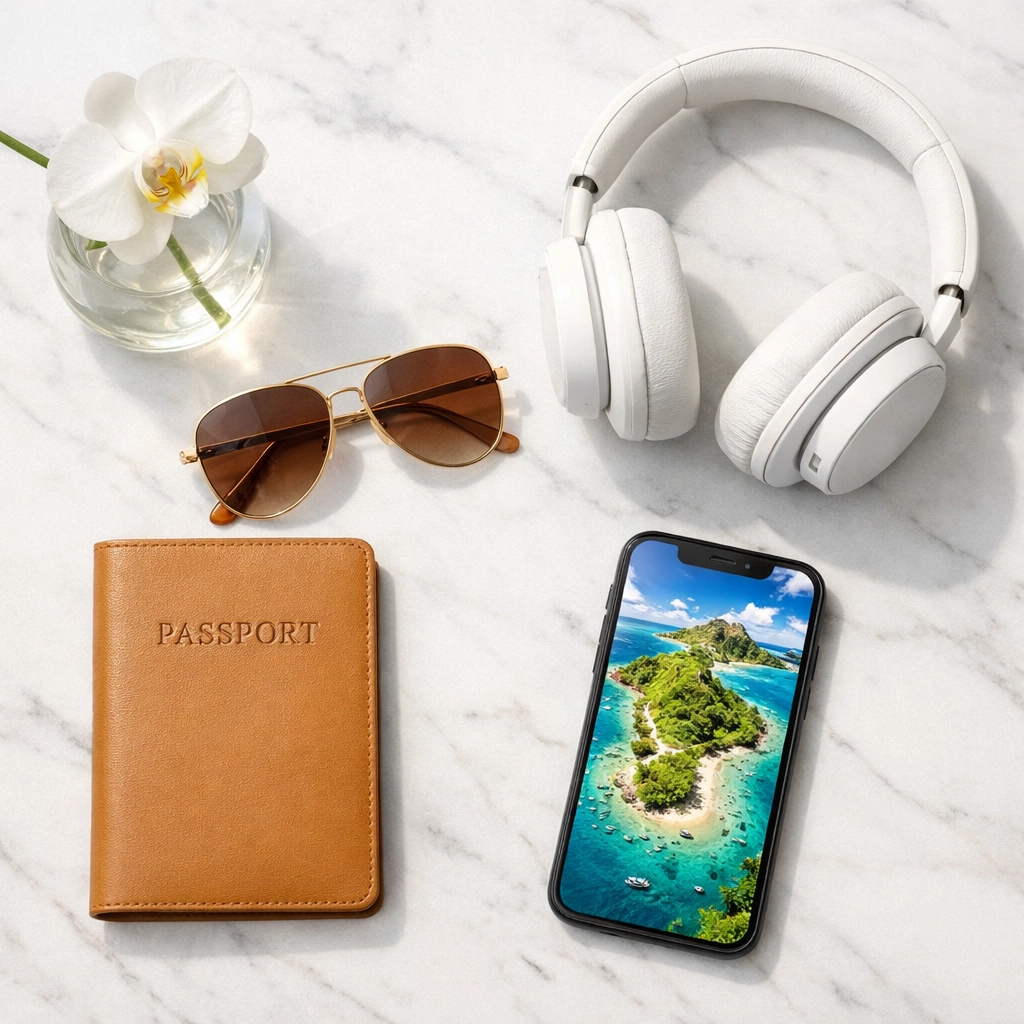
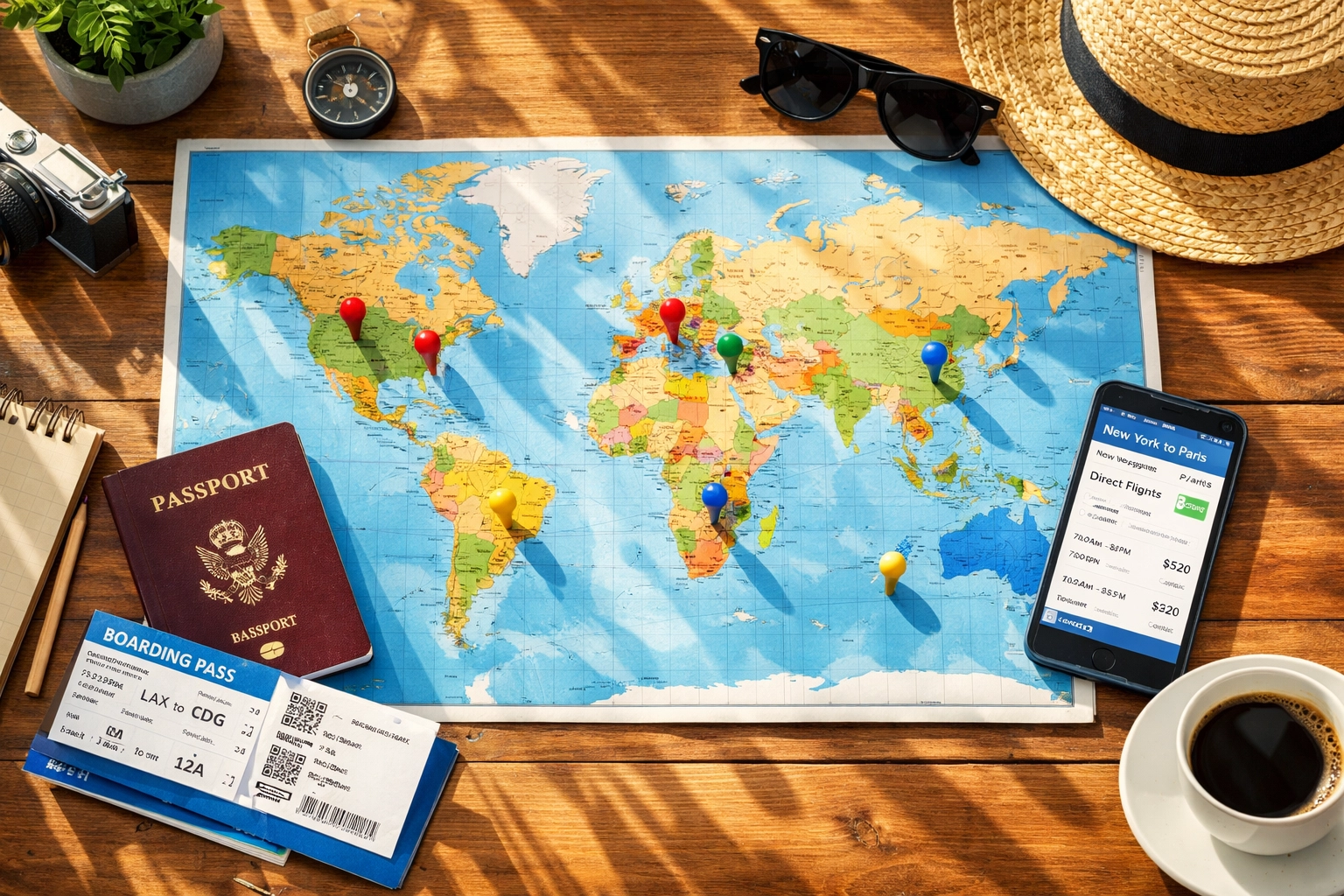
    Flat lay of luxury travel essentials including a leather passport cover and a tropical island map.

    Why We Do What We Do

    I started Time For Your Vacation because I saw too many people working too hard for their vacations. You shouldn’t have to work for your time off. You should be the guest of honor in your own life.

    When we design a honeymoon, we start with you. We want to know what makes you laugh, what you love to eat, and how you like to wake up in the morning. We take those personal details and weave them into a logistical masterpiece. We handle the 4:00 AM phone calls to overseas hotels. We handle the fine print of the travel insurance. We handle the “Nightmare” so you can have the “Dream.”

    Your honeymoon is the start of your life together. It sets the tone for your marriage. It should be a time of connection, discovery, and absolute, unadulterated joy.

    Don’t let logistics stand in the way of that.

    The Ultimate Checklist for Your Luxury Itinerary

    If you are currently in the planning stages, use this checklist to see if you are heading toward a nightmare or a dream:

    • Is there a buffer day between the wedding and the flight? (If not, move the flight).
    • Do you have private transfers booked for every single leg? (Uber is not a luxury strategy).
    • Have you checked the weather patterns? (Don’t book a “deal” in the Maldives during monsoon season).
    • Does your hotel know it’s your honeymoon? (We make sure they do, and that there’s a bottle of something cold waiting for you).
    • Is your itinerary stored in an easy-to-access app? (We provide a digital concierge app that works offline).
    • Have you scheduled “Doing Nothing” time? (This is the most important appointment on your calendar).
    Luxury infinity pool at a tropical resort overlooking the Indian Ocean and overwater bungalows.

    Let’s Build Something Unforgettable

    You have enough on your plate. Let us take the travel planning off it. Whether you are dreaming of a private safari in Botswana, a yacht charter through the Greek Isles, or a quiet villa in the mountains of Japan, we have the expertise and the connections to make it happen flawlessly.

    We aren’t just travel agents. We are your advocates. We are your researchers. We are your logistical ninjas.

    Visit us at www.TimeForYourVacation.com to start the conversation. Let’s talk about your vision. Let’s talk about your “must-haves.” Let’s make sure the only thing you have to worry about on your honeymoon is which swimsuit to wear.

    You can also find more tips, destination guides, and travel inspiration at www.TimeForYourVacation.blog.

    And if you’re looking for the best boots-on-the-ground insights for your next adventure, don’t forget to check out www.DaveTheTourGuide.com.

    The world is waiting. Let’s make sure you see it the right way.

    Safe travels,

    David Galvan
    Time For Your Vacation


    Visit www.TimeForYourVacation.com to start planning your next adventure. Check out www.DaveTheTourGuide.com for personalized travel guidance and insider tips. And keep reading www.TimeForYourVacation.blog for more honest takes on the travel industry and how to navigate it like a pro. Try our Luxury concierge with www.BlackKeyElite.com . And listen to my podcast! https://www.podomatic.com/podcasts/contact24682

  • [HERO] 7 Mistakes You’re Making With Your Luxury Itinerary (And How to Fix Them)

    You deserve a vacation that feels like a vacation. You deserve an itinerary that breathes. You deserve the absolute best that the world has to offer without the stress of managing the minutiae.

    We see it all the time. You have the vision, you have the budget, and you have the passion for discovery. Yet, even the most seasoned travelers fall into traps that turn a dream getaway into a logistical headache. Luxury travel isn’t just about how much you spend; it’s about how well you spend your time. If you’re spending your precious hours arguing with a rental car agent in Marseille or realizing the museum you flew across the Atlantic to see is closed on Tuesdays, something has gone wrong.

    At Time For Your Vacation, we believe that luxury is the absence of worry. It is the presence of delight. It is the seamless transition from one incredible moment to the next. But to get there, we need to talk about the mistakes that might be sabotaging your trips.

    Here are the seven most common mistakes you’re making with your luxury itinerary and, more importantly, exactly how we can fix them together.


    1. Prioritizing Flight Comfort Over the Actual Experience

    It is the classic luxury travel trap. You spend months hunting for that perfect Emirates First Class suite or the newly minted Qatar Qsuite. You drop a significant portion of your travel budget, or your hard-earned points, on the fifteen hours you’ll spend in the air.

    Don’t get me wrong. I love a lie-flat bed and vintage Krug as much as anyone. But here is the hard truth: the flight is just the delivery mechanism.

    The Mistake

    Many travelers compromise on their destination experiences because they over-invested in the flight. They arrive in Tokyo or Paris, exhausted but pampered, only to realize they didn’t budget for a private guide or that exclusive tasting menu at a three-Michelin-star landmark. They spend twelve hours in luxury in the sky and then seven days in a “standard” luxury room with a view of a brick wall.

    The Fix

    Shift your focus to the “Ground ROI.” Ask yourself: will I remember the caviar service on the plane five years from now, or will I remember the private sunrise helicopter tour over the Okavango Delta?

    If your budget is finite, prioritize the destination. Choose a high-end Business Class seat instead of First Class and reallocate those thousands of dollars into a suite upgrade or a private yacht charter for a day. Luxury is about the memories you bring home, not just the pajamas you got on the plane. Whether you’re flying across the ocean or hopping between islands, ensure the “meat” of your trip, the stay and the play, remains the priority.

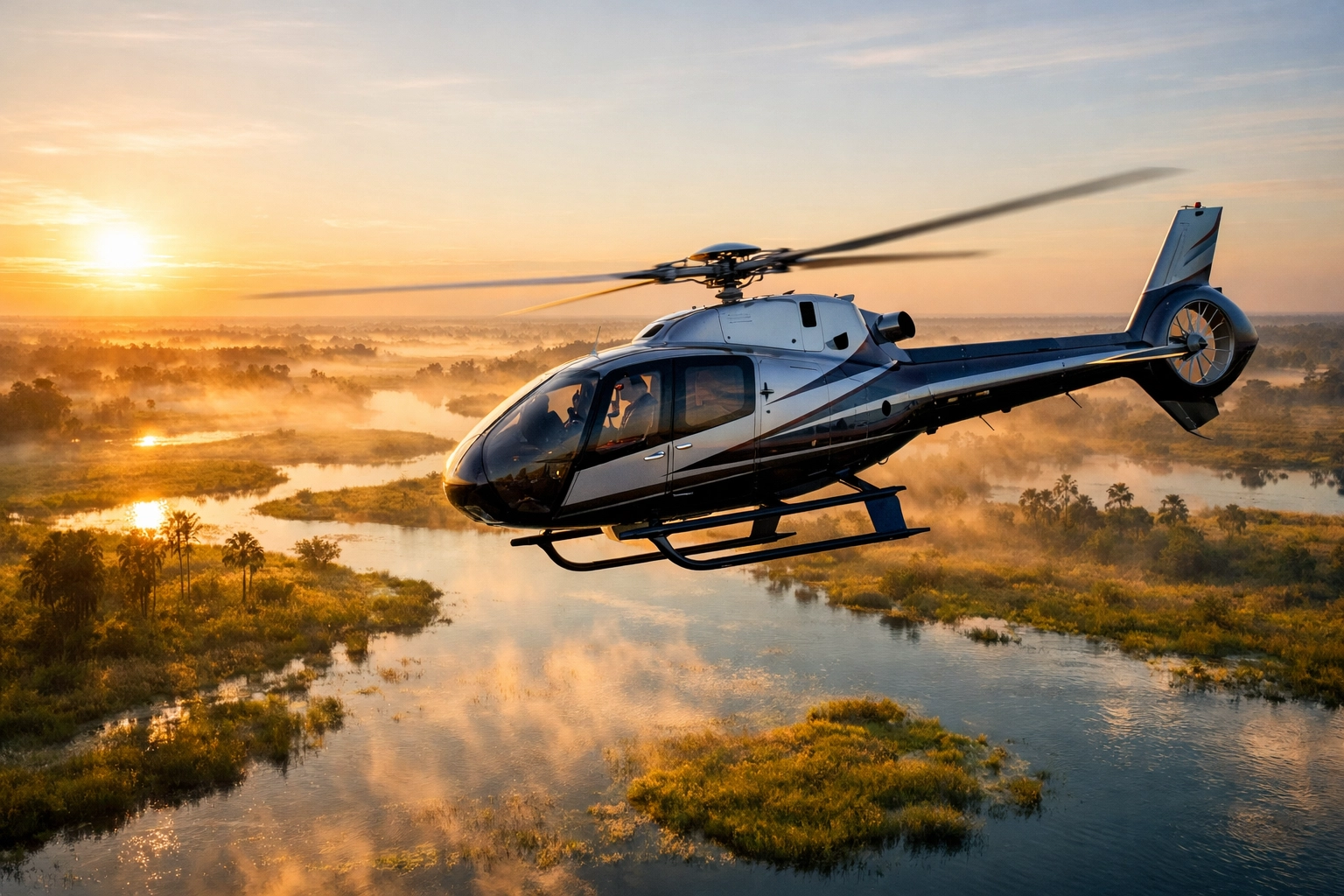
    Exclusive helicopter safari over Okavango Delta waterways during a luxury African vacation.

    2. Packing Too Much Into Too Few Days (The “Checklist” Trip)

    You want to see it all. I get it. If you’re heading to Italy, you want Rome, Florence, Venice, and the Amalfi Coast. If you’re going to Japan, you want Tokyo, Kyoto, Osaka, and a ryokan in Hakone.

    The Mistake

    When you try to see everything, you end up seeing nothing. This is what I call “Checklist Travel.” You spend half your vacation checking in and out of hotels, packing and unpacking suitcases, and sitting in transfer cars. By day four, you aren’t looking at the Colosseum; you’re looking at your watch to make sure you don’t miss your train to Tuscany.

    Tight itineraries eliminate the ability to truly absorb a destination. You lose the “soul” of the place because you’re too busy keeping pace with a calendar.

    The Fix

    Embrace the “Rule of Three.” If you have ten days, pick a maximum of three locations. This allows you to actually unpack your bags and feel at home. It gives you the chance to find a favorite café, to walk the streets without a map, and to actually relax.

    At Time For Your Vacation, we often suggest “Slow Luxury.” Instead of hitting four cities in ten days, stay in two. Use one as a hub and do high-end day trips. You’ll see just as much, but you’ll feel ten times more refreshed. Remember, a vacation is supposed to be a break from your busy life, not a continuation of it.

    3. Relying Solely on Popular Attractions and Review Sites

    We live in the age of information, but more information doesn’t always lead to better experiences.

    The Mistake

    If you’re relying exclusively on TripAdvisor, Yelp, or “Top 10” lists from major travel magazines, you are following the crowd. And the crowd is exactly what you’re trying to avoid when you book a luxury vacation.

    Popular sites are often gamed by marketing teams or skewed by travelers with very different standards than yours. If a restaurant has 5,000 reviews and a 4.8 rating, it’s probably a tourist trap. It’s “safe,” but it’s rarely “spectacular.” You end up standing in the same lines and eating the same overpriced pasta as everyone else.

    The Fix

    Cultivate local connections and trust expert curators. The real “gold” in travel isn’t found on a public forum; it’s found in the Rolodex of a professional who knows the destination intimately.

    You want the jazz bar in a basement in London that only the locals know. You want the private atelier in Milan that doesn’t have a storefront. You want the chef who only cooks for twelve people a night in a hidden garden. To find these, you need to step away from the screen and lean on human expertise. We spend our lives vetting these places so you don’t have to guess.

    Private dining table in a secret Mediterranean courtyard garden, showcasing a curated luxury travel experience.

    4. Over-Planning and Eliminating Spontaneity

    I know, I know. You like to be organized. You’re a high-achiever, and you want to ensure every minute is optimized for maximum enjoyment.

    The Mistake

    Over-rigid itineraries remove the possibility of unplanned discoveries. When every hour from 8:00 AM to 10:00 PM is booked, breakfast at 8, museum at 10, lunch at 1, tour at 3, dinner at 8, you have no room for magic.

    What happens if you meet a local artisan who invites you to see their workshop? What happens if you find a charming street market you want to wander through? If your itinerary is a cage, you have to say no to serendipity. And serendipity is often the most memorable part of any journey.

    The Fix

    Schedule “White Space.” For every planned activity, leave an equal amount of unplanned time. Tell yourself that from 2:00 PM to 6:00 PM, you have nothing to do but “exist” in the city.

    This is where the best stories are born. It’s the afternoon you spent sipping rosé at a sidewalk café watching the world go by, or the time a wrong turn led you to a stunning hidden courtyard. A luxury itinerary should be a framework, not a prison. We design schedules that provide structure while leaving plenty of room for you to follow your whims.

    5. Skipping Weather and Timing Research

    This sounds basic, but you would be shocked at how many people get it wrong.

    The Mistake

    Booking a luxury villa in the Caribbean in the middle of hurricane season because the price was right, or heading to Dubai in August only to realize it is 115 degrees and you can’t step outside.

    Timing is everything. Visiting a destination during its “off” season can sometimes be a stroke of genius (fewer crowds!), but if the “off” season means the best restaurants are closed and the weather is miserable, it’s a wasted trip. Similarly, failing to account for “shoulder season” means you might be missing the best balance of weather and exclusivity.

    The Fix

    Consult a professional who understands global seasonal shifts. We don’t just look at the calendar; we look at the patterns.

    Whether you want the cherry blossoms in Japan or the wine harvest in Mendoza, timing is the difference between a good trip and a legendary one. We help you navigate the nuances of the “Best Time to Go.” Sometimes, the best time isn’t the most popular time: it’s the window just before or just after, where the weather is perfect and the “tourists” have either not arrived or just left.

    Peaceful stone bridge in Kyoto with cherry blossoms, illustrating perfect timing for a crowd-free luxury trip.

    6. Neglecting Opening Hours and Local Holidays

    Imagine this: You’ve flown to Madrid. You’ve taken a private car to a specific boutique gallery you’ve been dying to visit. You arrive, and the gates are locked. It’s a random local holiday you’ve never heard of.

    The Mistake

    Many travelers assume the world operates on their home schedule. They don’t account for the siesta in Spain, the Sunday closures in Germany, or the month-long holidays in parts of Asia or Europe.

    Arriving at an attraction only to find it closed is a massive waste of your most precious resource: time. It breaks the flow of your day and creates unnecessary frustration.

    The Fix

    Your itinerary should be cross-referenced with local calendars. When we build an itinerary at Time For Your Vacation, we don’t just put “Museum” on a Tuesday; we verify that the museum is open, check if there are any special events, and see if there’s a local festival that might block traffic in that area.

    This level of detail is what separates a DIY trip from a luxury experience. You shouldn’t have to check opening hours. We’ve already done it for you.

    7. Making False Economy Moves

    Even wealthy travelers love a good deal. There is a certain satisfaction in finding a way to save. But in the world of luxury travel, there is a big difference between “value” and “cheap.”

    The Mistake

    This is the “Penny Wise, Pound Foolish” approach. You spend $1,000 a night on a hotel but then try to save $50 by taking a public bus from the airport with three suitcases. Or you skip the “Skip-the-Line” VIP access at a major monument to save a few dollars, only to spend three hours standing in the hot sun.

    False economies diminish the quality of your trip. They inject stress and physical labor into a time that should be about ease and elevation.

    The Fix

    Invest in the “Frictionless Factors.” These are the services that remove the “work” of travel.

    • Private Transfers: Always. Being met at the gate by a driver with a sign and a cold bottle of water is worth every penny.
    • VIP Fast-Track: If the airport offers it, take it.
    • The Concierge: Don’t just use them for dinner reservations. Use them for their knowledge and their “pull.”
    • Professional Planning: Trying to save money by doing it all yourself often costs you more in the long run through mistakes, missed opportunities, and the value of your own time.

    Luxury is about removing friction. If a service makes your life easier, it’s not an expense; it’s an investment in your happiness.


    Why “Time For Your Vacation” is Different

    I’ve been in this industry long enough to know that the difference between a “nice” trip and a “life-changing” trip is in the details. You can book a hotel online in five minutes. But you can’t book the relationship that the travel planner has with the hotel manager. You can’t book the knowledge of which room number has the best sunset view.

    When you work with us, you aren’t just getting a booking agent. You’re getting a partner. We sit down with you: virtually or in person: to understand not just where you want to go, but how you want to feel when you get there.

    Do you want to feel adventurous? Do you want to feel pampered? Do you want to feel like no one can find you?

    We take those desires and we build a fortress of luxury around them. We handle the “7 Mistakes” so you never even have to know they were possibilities.

    A Personal Note from Me

    I’ve seen it all. I’ve seen the traveler who tried to do “all of Europe” in a week and ended up needing a vacation from their vacation. I’ve seen the couple who missed the most beautiful sunset in Santorini because they were stuck in a line they could have bypassed.

    I don’t want that for you.

    I want you to step off that plane and feel a sense of immediate relief. I want you to walk into your suite and find exactly what you like waiting for you. I want your biggest decision of the day to be whether you want the Cabernet or the Merlot with your private dinner.

    That is what we do. We give you back your time. We give you back your peace of mind.

    Whether you’re planning a multi-city safari through Africa, a deep dive into the culture of Japan, or a relaxing month in a private villa in the South of France, let us take the wheel.

    You’ve done the hard work of earning this trip. Now, let us do the work of making it perfect.

    Ready to Fix Your Itinerary?

    Don’t let another vacation go by where you feel rushed, stressed, or like you missed out on the “real” experience. Let’s build something unforgettable.

    I invite you to reach out to me directly. Let’s talk about your next escape. We don’t just plan trips; we curate experiences that stay with you forever.

    Visit us at www.TimeForYourVacation.com to see what we can do for you.

    Explore more tips and travel inspiration on our blog at www.TimeForYourVacation.blog.

    And if you’re looking for the absolute best local insights and guided experiences, don’t forget to check out www.DaveTheTourGuide.com.

    Your next great adventure is waiting. Let’s make sure it’s mistake-free.


    Summary of the Fixes:

    1. Focus on the Ground: Reallocate flight savings to destination experiences.
    2. The Rule of Three: Limit locations to ensure deep immersion.
    3. Seek Human Expertise: Go beyond the public review sites.
    4. Schedule White Space: Leave room for spontaneity and rest.
    5. Weather Wisdom: Research seasons and shoulder windows deeply.
    6. Logistical Accuracy: Cross-reference everything with local holidays.
    7. Invest in Ease: Don’t cut corners on transfers and VIP services.

    Your time is your most valuable asset. Spend it wisely. Spend it beautifully. Spend it with Time For Your Vacation.

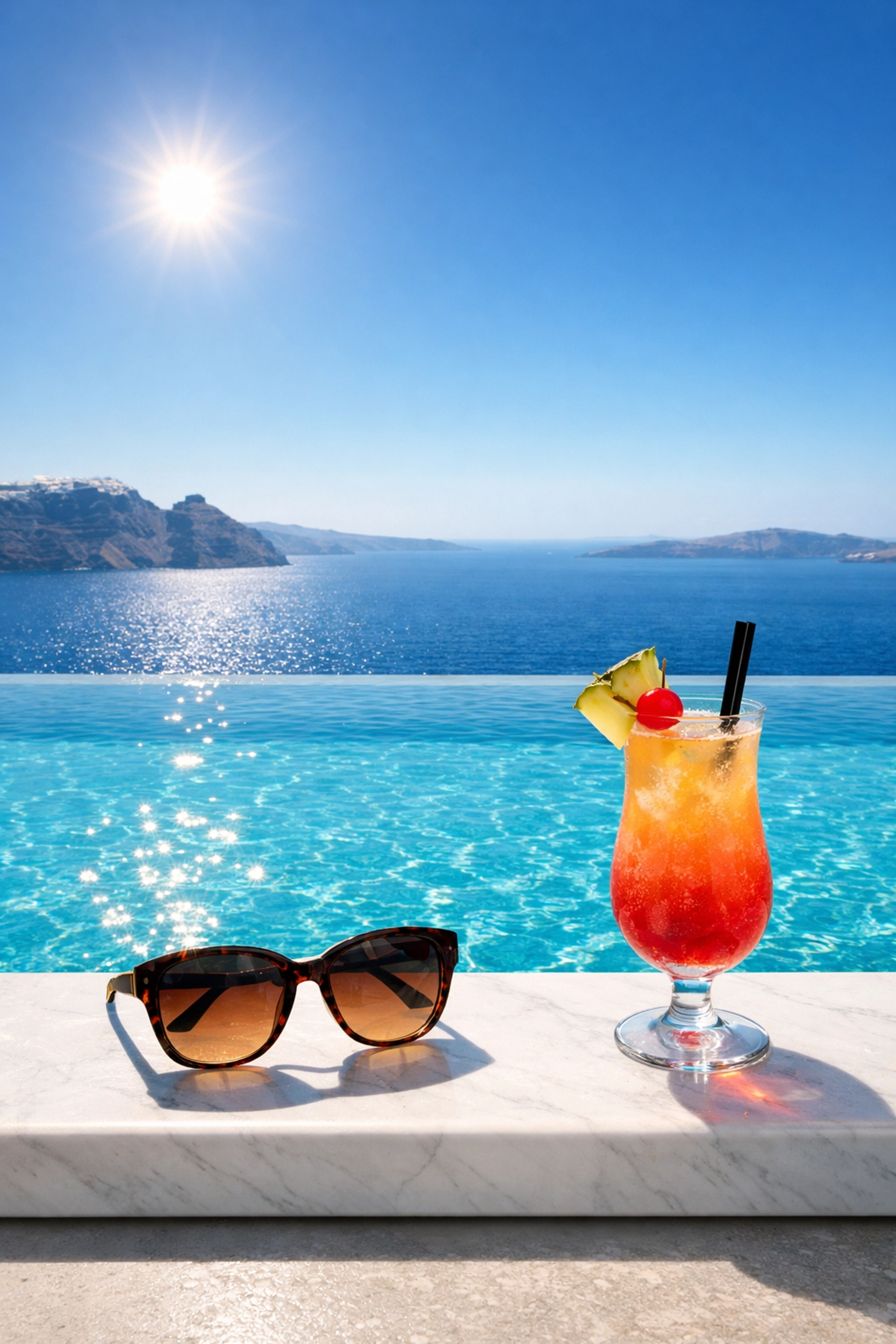
    Luxury infinity pool in Santorini overlooking the Aegean Sea, the ultimate frictionless vacation experience.


    Visit www.TimeForYourVacation.com to start planning your next adventure. Check out www.DaveTheTourGuide.com for personalized travel guidance and insider tips. And keep reading www.TimeForYourVacation.blog for more honest takes on the travel industry and how to navigate it like a pro. Try our Luxury concierge with www.BlackKeyElite.com . And listen to my podcast! https://www.podomatic.com/podcasts/contact24682

  • [HERO] Why Some Travelers Always Get Upgraded (And It's Not Luck)

    You know that person. The one who somehow always ends up in premium economy when they booked basic. The one sipping champagne in business class while you’re playing elbow wars in 32B. The one who casually mentions their “ocean view suite upgrade” like it’s an everyday occurrence.

    You probably think they’re just lucky. Maybe they have a secret credit card. Maybe they know someone who knows someone.

    Here’s the truth: they’re not lucky. They’re strategic.

    Getting upgraded isn’t about crossing your fingers and hoping the airline gods smile upon you. It’s about understanding the system, playing the game, and knowing exactly what buttons to push. The travelers who consistently score upgrades have cracked a code that most people don’t even know exists.

    Let me show you how they do it.

    The Foundation Nobody Talks About

    The absolute first thing that separates upgrade winners from everyone else? They’re in the game. Literally.

    Every single airline, hotel chain, and cruise line has a loyalty program. And here’s what nobody tells you: just being a member, even without elite status, puts you ahead of roughly 40% of travelers who can’t be bothered to sign up.

    It takes two minutes. It’s free. And it’s the price of admission.

    Airlines maintain upgrade lists for every single flight. When that business class seat opens up 45 minutes before departure, they’re not scrolling through all passengers looking for deserving souls. They’re working down a very specific list, and if you’re not a loyalty member, you’re not on that list. Period.

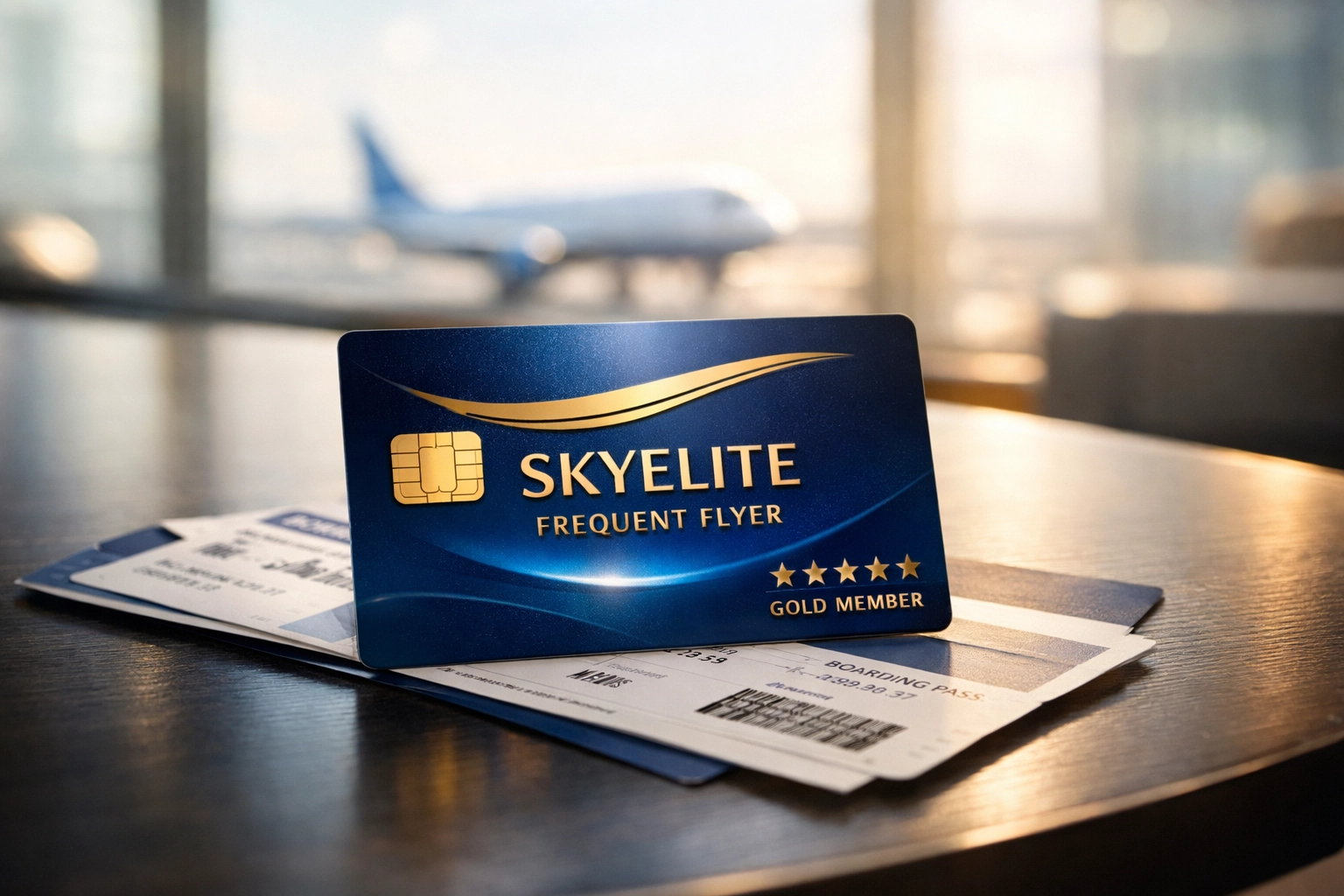
    Airline loyalty card and boarding pass on airport table showing frequent flyer membership benefits

    But here’s where it gets interesting. Elite status turns you from a maybe into a priority. Delta SkyMiles Medallion members, United Premier travelers, American AAdvantage elites, these folks are automatically added to upgrade waitlists the moment they book. They don’t ask. They don’t bid. They’re just… there.

    And status isn’t as hard to get as you think. You don’t need to fly every week. Many travelers achieve base-level elite status with just 25,000 miles or 25 qualifying flights annually. That’s roughly one flight every other week, or a couple of strategic international trips. For business travelers, it’s almost automatic. For vacation travelers, it’s about being intentional.

    The real secret? Status match challenges. Got status with one airline? Others will match it or give you a trial period to prove you’ll fly with them. Delta has matched competitors. United runs targeted promotions. The savvy travelers are playing airlines against each other like it’s a corporate chess match.

    Strategic Timing: The Invisible Advantage

    Let’s talk about when you book, because timing is everything.

    Tuesday afternoon flights? Amateur hour. Nobody wants them, which means nobody’s competing for upgrades. The Thursday evening business route from New York to San Francisco? That’s upgrade warfare. Every road warrior with status is on that flight, and you’re competing against 40 other eligible passengers for three open seats.

    The travelers who consistently get upgraded aren’t booking the convenient flights. They’re booking the flights where competition is thin.

    Red-eyes are gold. Early morning departures on Saturdays. Mid-afternoon flights on Wednesdays. These are the routes where business travelers avoid, which means fewer elite members, which means your chances of clearing an upgrade jump exponentially.

    And here’s the kicker about booking timing: airlines often hold back premium inventory, then release it closer to departure. The sweet spot? Five to seven days out. This is when airlines start getting realistic about what’s going to sell and what isn’t. Suddenly, those upgrade offers start appearing in your inbox like magic.

    Except it’s not magic. It’s algorithmic pricing designed to extract maximum revenue, and the smart travelers know exactly when the algorithm shifts from “optimistic” to “let’s make a deal.”

    The Art of the Ask: Social Engineering 101

    Now we’re getting into the good stuff. The strategies that separate the perpetual upgrade crowd from everyone else.

    First rule: you have to ask. But not like a beggar. Like someone who understands the business.

    Gate agents have discretionary power that most travelers don’t realize exists. About an hour before departure, they can see the upgrade list, the empty seats, and they start making decisions. This is your window.

    Here’s how the pros do it: they arrive at the gate early, not airport early, but gate early. Somewhere between 45 and 60 minutes before boarding. They’re dressed well, not because appearance guarantees anything, but because every small advantage matters when agents are making judgment calls.

    Then they approach. Politely. Not during boarding chaos. Not while the agent is helping another passenger. During the quiet window.

    The phrase? “Hi there. I noticed the flight looks pretty full today. Are there any paid upgrade opportunities available that might not have made it to the app?”

    Notice what’s happening here. You’re not asking for a free upgrade. You’re not complaining about your seat. You’re asking about a business transaction the airline would love to complete. You’re also demonstrating that you checked the app, which signals you’re a savvy traveler, not a random person making demands.

    Sometimes they’ll say no. Sometimes they’ll quote you a price. And sometimes, especially if you’re a loyalty member and they like you, they’ll just do it.

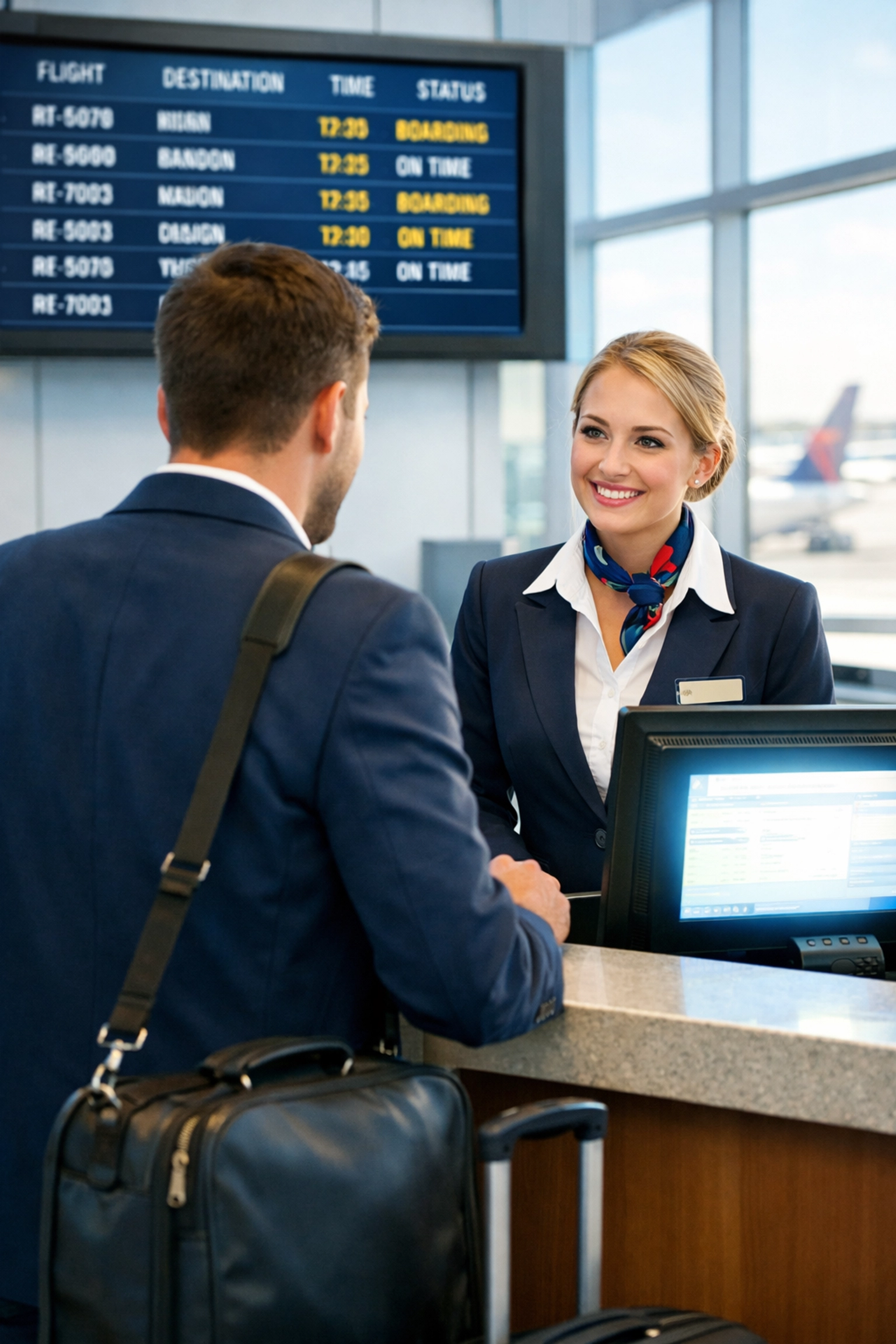
    Traveler speaking with gate agent at airport counter to request flight upgrade

    The cruise industry operates similarly but with a twist. Cruise lines want full ships, but they also want happy customers who’ll spend money on excursions and drinks. A Strategic Services Manager once told me they’re far more likely to upgrade travelers who book directly through the cruise line versus third-party sites. Why? Because they can see your entire history. Your onboard spending. Your loyalty. Your complaints (or lack thereof).

    The travelers who get cruise upgrades book directly, they join the loyalty program, and they politely inquire at check-in about availability. Not demanding. Not expecting. Just asking if anything’s available “if it helps the ship manage inventory.”

    That last phrase? That’s social engineering. You’re reframing the request as helping them, not helping you.

    Hidden Upgrade Mechanisms Most Travelers Never Use

    Airlines have upgrade systems running in parallel that most people never discover. Let’s expose them.

    First: upgrade auctions. Hawaiian Airlines, Air Canada, Lufthansa, Singapore Airlines, and a growing list of carriers run bidding systems where you can bid for premium seats at potentially 60-70% less than the retail price. You submit a bid, and if your offer is accepted, boom, you’re upgraded.

    The trick? The airlines use dynamic pricing algorithms, so your bid needs to be strategic. Too low and you’re wasting time. Too high and you’re overpaying. The sweet spot is usually 40-50% of the current upgrade price difference. And here’s the insider move: submit your bid, then check back and adjust it if needed. These systems are live, and you can modify bids up until about 24 hours before departure.

    Second: miles upgrades, but done correctly. Most people hoard miles for that mythical “free business class to Europe” ticket that costs 200,000 miles. Meanwhile, smart travelers are using 15,000-25,000 miles to upgrade domestic flights they’re taking anyway. The math is brutal: that business class ticket costs $2,000 more than economy, but upgrading with miles might cost you $300 worth of points. That’s an insane value proposition that nobody talks about.

    Third: the 24-hour app flash deals. This is perhaps the most underutilized upgrade mechanism in existence. When you check in online, which opens 24 hours before departure, airlines push last-minute upgrade offers directly to their apps. These offers aren’t on the website. They’re not in emails. They’re app-only, and they expire quickly.

    The travelers who consistently score upgrades check their airline apps religiously starting at the 24-hour mark. Not once. Multiple times. These deals can appear, disappear, and reappear as the algorithm adjusts based on booking patterns.

    The Overbooking Opportunity

    Here’s a strategy that sounds counterintuitive but works brilliantly: volunteer to get bumped.

    Airlines oversell flights by roughly 5-15% because they know some percentage of passengers won’t show up. Usually they get the math right. Sometimes they don’t, and suddenly they need volunteers.

    This is your moment.

    When you volunteer to take a later flight, airlines often sweeten the deal with travel credits, meal vouchers, and, here’s the magic, upgrades on your rebooked flight. Why? Because they need to make it worth your while, and upgraded seats are inventory they already have.

    But here’s the insider move: be a loyalty member when you volunteer. Airlines prioritize their frequent flyers when distributing compensation. A non-member might get $400 and a middle seat on the next flight. A loyalty member might get $800 and a first-class seat because the airline wants to maintain that relationship.

    The calculated risk-takers in the upgrade game actually target potentially oversold flights. Holiday weekends. Popular routes. Monday morning business flights. They book these intentionally, knowing there’s a decent chance they’ll get bumped, compensated, and upgraded.

    The Psychology of Being Upgrade-Worthy

    Let’s talk about the uncomfortable truth: appearance and behavior matter.

    Gate agents and hotel front desk staff make dozens of upgrade decisions weekly. When they have discretionary power, which they do more often than you’d think, they’re going to upgrade the passenger who’s pleasant, professional, and won’t cause problems.

    This doesn’t mean you need designer clothes or fake charm. It means being genuinely kind to service workers, arriving prepared, not creating drama when things go wrong, and understanding that these folks have hard jobs.

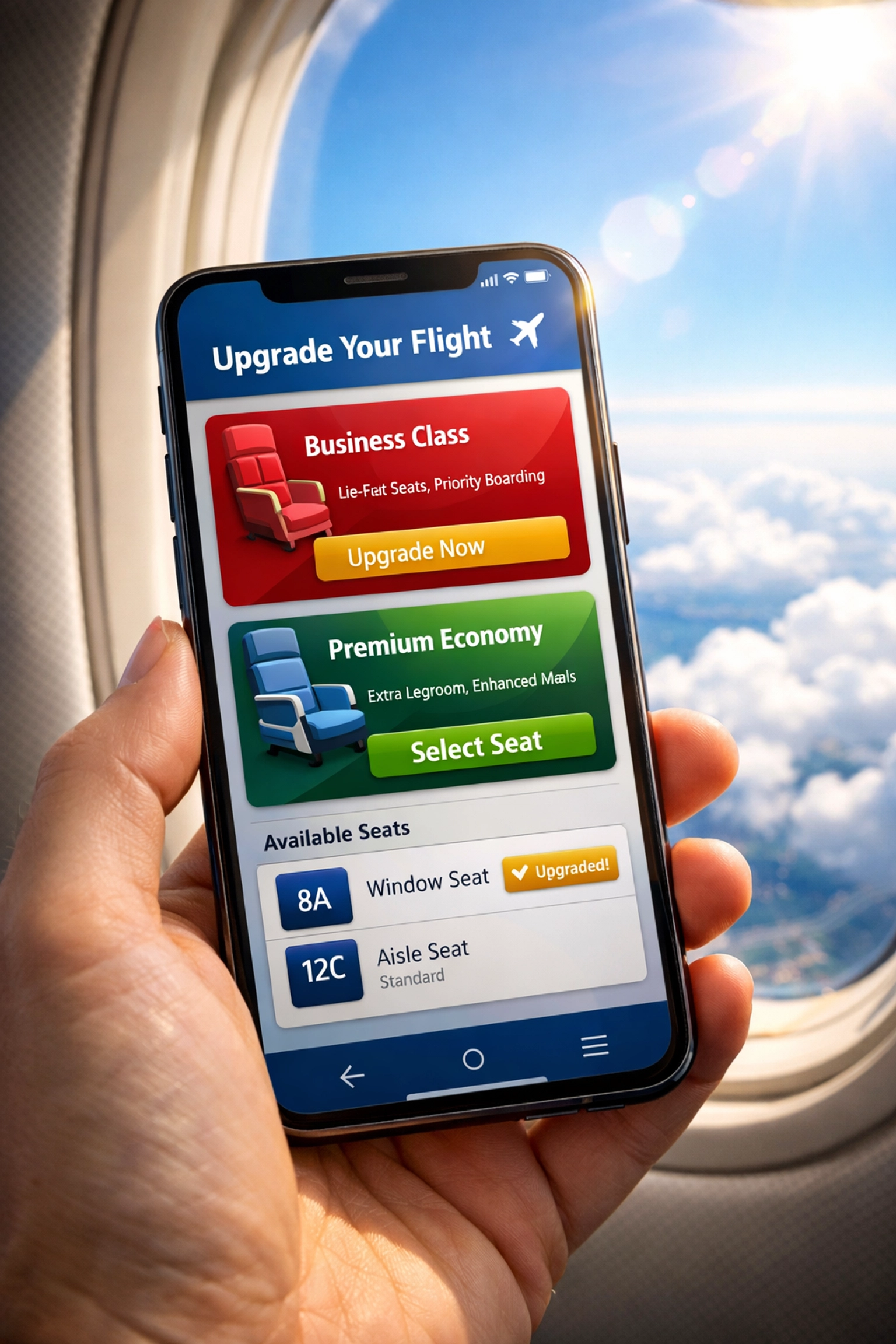
    Smartphone displaying airline app with upgrade options and premium seat selections

    The travelers who get upgraded consistently aren’t just members of loyalty programs. They’re the passengers that staff remember positively. They’re the ones who said thank you when the flight attendant brought water. They’re the ones who were patient when the check-in line was slow. They’re building social capital, and that capital pays dividends.

    There’s also strategic honesty. Celebrating an anniversary? Mention it at hotel check-in. Not as a demand, but as context. “We’re here celebrating our tenth anniversary, so excited to stay at your property.” Does it guarantee an upgrade? No. Does it plant a seed that the front desk agent might water if they have availability? Absolutely.

    Same with flights. Flying for a significant event? Mention it casually when you’re politely asking about upgrades. “Heading to my daughter’s graduation, want to arrive fresh.” You’re giving them a reason to help you that feels good for them too.

    Hotel Upgrades: A Different Game

    Hotels operate on completely different economics than airlines. An empty premium room generates zero revenue, and hotels know that an upgraded guest is more likely to return, recommend, and spend more on amenities.

    This changes everything.

    Hotel elite status is easier to achieve than airline status and often more valuable. Marriott Bonvoy Gold, Hilton Honors Gold, IHG Diamond, these mid-tier statuses regularly generate upgrades because hotels want to deliver on their program promises.

    But here’s what the consistent upgrade winners do: they join multiple programs and concentrate their stays. You don’t need 75 nights at Marriott. You need 25 strategic nights that get you Gold status, then you book Marriott properties exclusively. The compounding effect is powerful.

    Timing matters here too. Check in late afternoon or early evening, after the hotel knows exactly what inventory they have. The front desk agent at 4 PM has way more clarity than the agent at 11 AM who’s still processing checkouts and dealing with early arrivals.

    And the direct booking rule is golden. Hotels have zero incentive to upgrade a guest who booked through a third-party site. Those bookings earn them less revenue and don’t contribute to loyalty metrics. But when you book directly through the hotel’s website or call center, you’re signaling loyalty, and hotels reward that.

    Credit card status is also a shortcut. Cards like the Marriott Bonvoy Brilliant or Hilbert Honors Aspire come with automatic elite status. It’s a $450-$550 annual fee, but if you’re taking even three hotel stays per year, the upgrade value alone often exceeds the cost.

    Cruise Ship Upgrades: The Forgotten Frontier

    Cruise lines have perhaps the most opaque upgrade systems, which is exactly why opportunities exist.

    Cruise ships want full cabins, and they want them full of happy customers. Unlike hotels where an upgrade costs nothing, cruise upgrades involve moving inventory around, so lines are selective. But they’re not stingy, if you know the timing.

    Book early or book late. Both extremes work for different reasons. Early bookers give cruise lines cash flow and certainty, which they reward. Late bookers help lines fill ships, which they also reward. The dead zone is the middle, booking 90-120 days out often means paying full price for exactly what you selected.

    The savvy cruise travelers book the cheapest acceptable cabin, then monitor upgrade offers. Cruise lines send these out 30-90 days before sailing, offering paid upgrades at discounted rates. Sometimes it’s worth it. Sometimes you decline and roll the dice on embarkation day.

    Embarkation day upgrades are real. Show up, check in, and politely ask if any upgrades are available. Ships have a pretty good idea of their inventory by 2 PM on embarkation day, and if they’re going to move people around, this is when it happens.

    The secret weapon? Past passenger status combined with loyalty. Cruise lines obsessively track repeat customers, and someone on their tenth sailing gets priority over someone on their first. They want you coming back, and upgrades are how they ensure that happens.

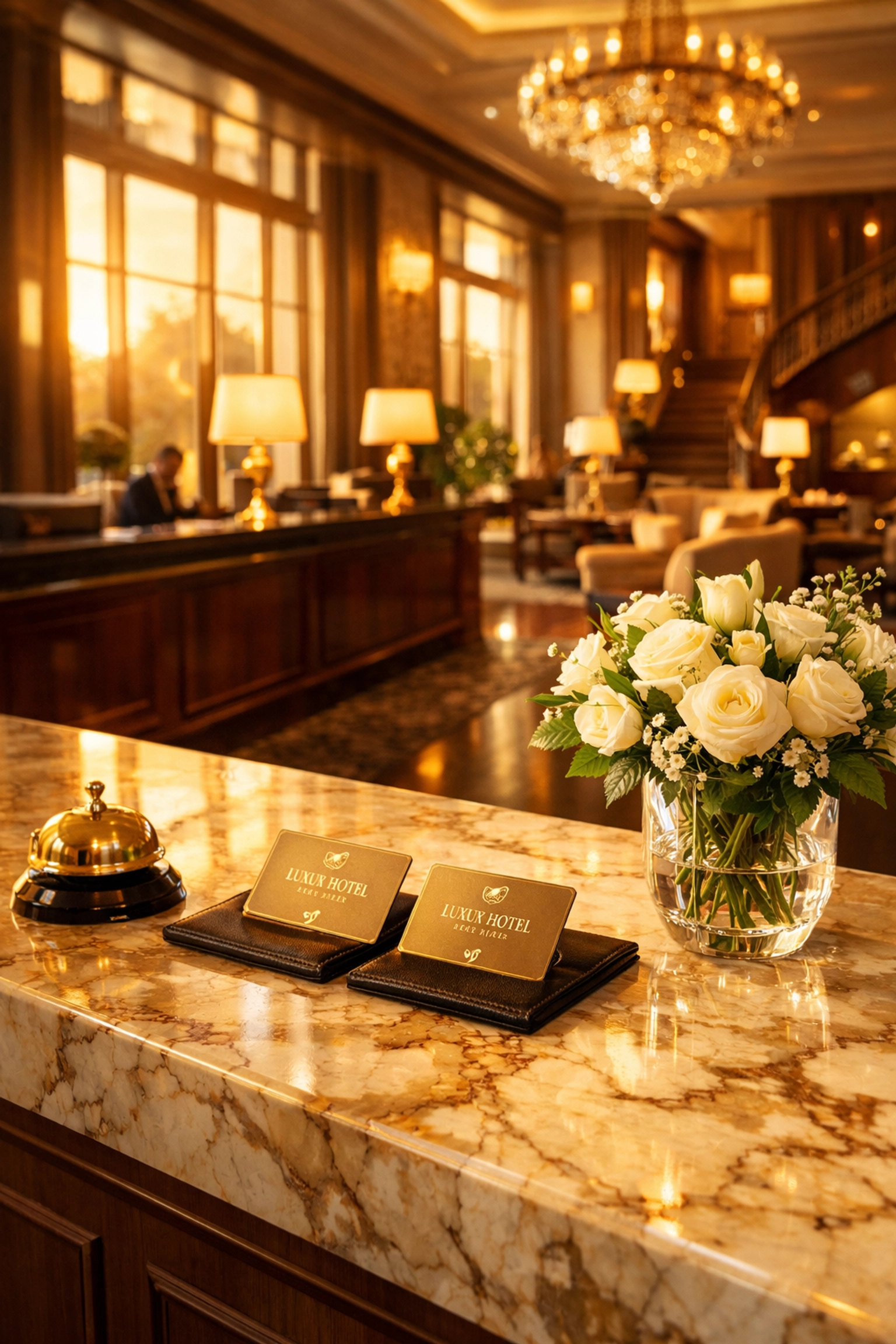
    Luxury hotel lobby front desk with marble counter and elegant check-in area

    What Doesn’t Work (So Stop Trying)

    Let’s dispel some myths because bad advice wastes everyone’s time.

    Lying doesn’t work. Claiming it’s your honeymoon when it’s not, pretending you have status when you don’t, making up sob stories, staff see through this instantly, and you’ve just killed any chance of an upgrade.

    Complaining doesn’t work. “My seat is terrible” isn’t going to get you moved to first class. It’s going to get you ignored. Airlines and hotels upgrade people they like, not people who complain.

    Showing up at the last second doesn’t work. By the time boarding starts, upgrade decisions are done. That window closed 30 minutes ago when you were still in the lounge.

    Dressing in a suit doesn’t guarantee anything. Does appearance help at the margins? Sure. Will a three-piece suit overcome the fact that you’re not a loyalty member and showed up five minutes before boarding? No.

    Demanding doesn’t work. Ever. Not once. Not even if you’ve paid for a ticket. Service workers have discretionary power, and the fastest way to ensure they use it against you is to treat them poorly or make demands.

    The Compound Effect

    Here’s what separates the travelers who occasionally get upgraded from those who consistently score them: they stack strategies.

    They’re loyalty members who’ve achieved status. They book flights strategically during off-peak times. They check in exactly 24 hours early and monitor the app for flash deals. They bid on upgrade auctions. They arrive at the gate early and politely inquire. They’re dressed presentably and treat staff well. They’ve built relationships with hotels through direct bookings and status.

    It’s not one thing. It’s ten things working together.

    And the compound effect is real. Once you start getting upgraded, you earn more miles, which moves you toward higher status, which increases upgrade frequency, which earns more miles. It becomes a flywheel.

    The travelers who seem impossibly lucky started exactly where you are. They just decided to understand the system rather than hope the system would understand them.

    Your Move

    So no, it’s not luck. It’s strategy, timing, psychology, and consistency. It’s understanding that airlines, hotels, and cruise lines are businesses with inventory to move and algorithms to follow. It’s recognizing that service workers have power and treating them accordingly. It’s playing the long game rather than hoping for random acts of corporate kindness.

    The upgrade consistently goes to the traveler who’s prepared, strategic, and pleasant. Not the loudest. Not the most entitled. Not the luckiest.

    The one who understood the game.

    Are you ready to start playing it?


    Visit www.TimeForYourVacation.com to start planning your next adventure. Check out www.DaveTheTourGuide.com for personalized travel guidance and insider tips. And keep reading www.TimeForYourVacation.blog for more honest takes on the travel industry and how to navigate it like a pro. Try our Luxury concierge with www.BlackKeyElite.com . And listen to my podcast! https://www.podomatic.com/podcasts/contact24682

  • [HERO] Why Private Islands Exist

    Let’s talk about private islands. Not the ones you daydream about during your Monday morning meeting. Not the ones you see on Instagram with a single palm tree and impossibly blue water. We’re talking about actual, honest-to-goodness private islands that people own.

    You know what’s wild? In 2026, there are more private islands owned by individuals than ever before in human history. We’re living in the golden age of island ownership, and most of us didn’t even notice it happening.

    Private islands exist for one very simple reason: because some people decided that owning a house wasn’t exclusive enough. But the real story? It’s way more interesting than that.

    The Ultimate “Do Not Disturb” Sign

    Privacy. Privacy. Privacy.

    That’s the word you hear first when anyone talks about private islands. But here’s what they really mean: complete and total isolation from everything and everyone you don’t personally invite into your space.

    You can’t get that in a Manhattan penthouse. You can’t get it in a Beverly Hills mansion, no matter how tall your hedges are. You definitely can’t get it in a five-star resort where the paparazzi might be having cocktails at the next cabana.

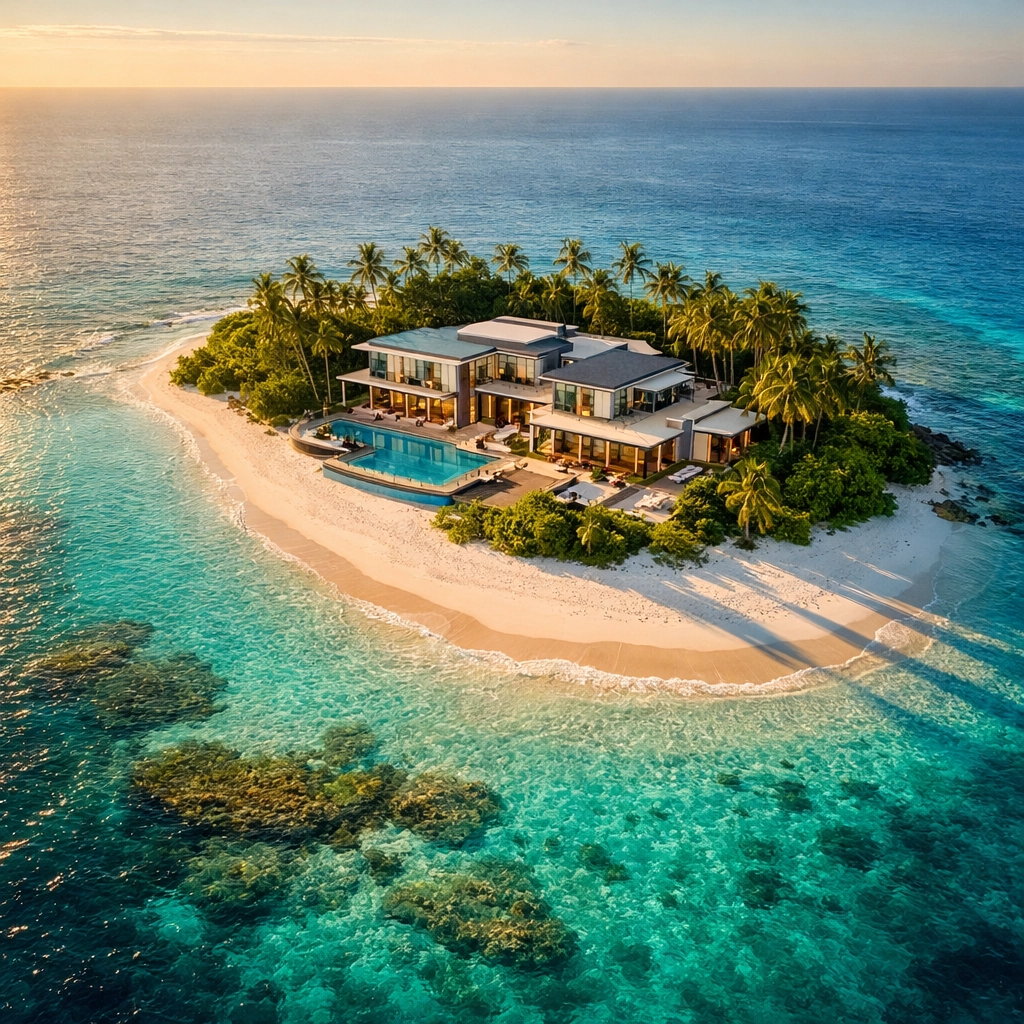
    Aerial view of luxury private island mansion surrounded by turquoise Caribbean waters and white sand beach

    Private islands exist because wealthy people discovered something fascinating: true privacy is the rarest luxury of all. You can buy another Rolls-Royce. You can commission another yacht. But you can’t buy the guarantee that no one will photograph you, approach you, or even see you unless you explicitly want them to.

    Think about it. When you own a private island, you control every single access point. There’s no neighbor complaining about your party. There’s no unexpected visitor. There’s no random tourist wandering onto your beach because they got lost hiking. Your island, your rules, your peace.

    The ultra-high-net-worth crowd figured this out decades ago. They realized that privacy isn’t just about having space around you. It’s about controlling that space completely. And nothing gives you that control quite like owning an entire island surrounded by water.

    A Very Brief History of “Mine, All Mine”

    Private island ownership isn’t some newfangled trend from the internet age. This has been going on for centuries.

    The concept really took off in the 1800s when wealthy industrialists started buying islands as summer retreats. But back then, it was more about having a second home that was hard for creditors to reach than about Instagram-worthy sunsets.

    Fast forward to the 1960s and 70s, and something shifted. Private islands became status symbols. Malcolm Forbes bought Laucala Island in Fiji. Richard Branson snagged Necker Island in the British Virgin Islands for what would be considered pocket change today. These weren’t just real estate investments. They were statements.

    The psychology changed too. Owning a private island went from being “I need a place to escape” to “I need people to know I own a place to escape.” It became the ultimate flex before we even had that word.

    But here’s where it gets really interesting. The 1990s and 2000s brought technology that made private islands actually livable year-round. Solar power improved. Desalination systems became affordable. Satellite internet arrived. Suddenly, owning a private island didn’t mean roughing it. It meant creating your own personal paradise with every modern convenience.

    Today? Private islands exist because they can. The infrastructure exists. The market exists. The demand absolutely exists.

    The Numbers Don’t Lie

    Let’s talk money because that’s what makes private islands exist in practical terms.

    You can buy a private island for anywhere from a few hundred thousand dollars to several hundred million. That’s quite a range. A small island in Nova Scotia might run you $300,000. A developed island in the Caribbean with a mansion and helicopter pad? Try $50 million and up.

    But here’s the thing about private island economics that most people don’t understand: these aren’t just vanity purchases anymore. They’re legitimate investments.

    Private islands have appreciated faster than mainland luxury real estate in many markets over the past decade. Scarcity drives value, and they’re literally not making more islands. Well, Dubai is, but that’s a whole different conversation.

    Infinity pool overlooking ocean at exclusive private island villa with tropical gardens

    Wealthy owners discovered they could rent their islands out when they’re not using them. And we’re not talking about Airbnb pricing here. Private island rentals start at around $50,000 per night and go up from there. Way up. Some ultra-exclusive islands command $200,000 per week or more.

    Do the math. If you rent your island out for just four weeks a year, you’re generating serious income. Enough to cover maintenance, staff salaries, and then some. Your private paradise pays for itself while you’re busy being wealthy somewhere else.

    Favorable tax situations in places like The Bahamas, Seychelles, and parts of the Caribbean don’t hurt either. Private islands exist partly because the financial incentives align perfectly with the lifestyle aspirations.

    What You Actually Get

    So what makes a private island worth millions? Let’s get specific.

    First, you get land. That sounds obvious, but we’re talking about land that you can develop however you want. Want a nine-hole golf course? Build it. Want a private airstrip? Pour the concrete. Want to create the world’s most elaborate tiki bar? Nobody’s stopping you.

    Most serious private islands include custom-designed homes that make architectural magazines drool. We’re talking about properties with floor-to-ceiling windows overlooking pristine beaches, infinity pools that blend into the ocean, and outdoor showers where your only company is tropical birds.

    You get private docks for your yacht. Multiple beaches that might face different directions to catch sunrise and sunset. Helipads for quick arrivals and departures. Some islands have their own freshwater sources. Others have sophisticated rainwater collection and purification systems.

    The lifestyle amenities are insane. Private islands feature world-class spas, fitness centers, wine cellars, home theaters, and sometimes entire guest houses for visitors. You’re not just buying land. You’re buying an entire self-contained luxury resort that happens to belong only to you.

    Nature access is unparalleled. Many private islands sit in the middle of incredible ecosystems. You’re swimming with sea turtles, snorkeling over coral reefs, and watching dolphins from your breakfast table. This isn’t “visiting nature.” This is living in it, completely immersed, on your own terms.

    The Cruise Ship Revolution

    Here’s where private islands get really interesting for normal people like you and me. Well, relatively normal.

    Cruise lines figured out something brilliant: they could buy or lease private islands and offer passengers an “exclusive” experience without the billion-dollar price tag of actually owning one yourself.

    This trend exploded over the past two decades. Royal Caribbean has Perfect Day at CocoCay in The Bahamas. Disney has Castaway Cay. Norwegian has Great Stirrup Cay. MSC has Ocean Cay. The list goes on.

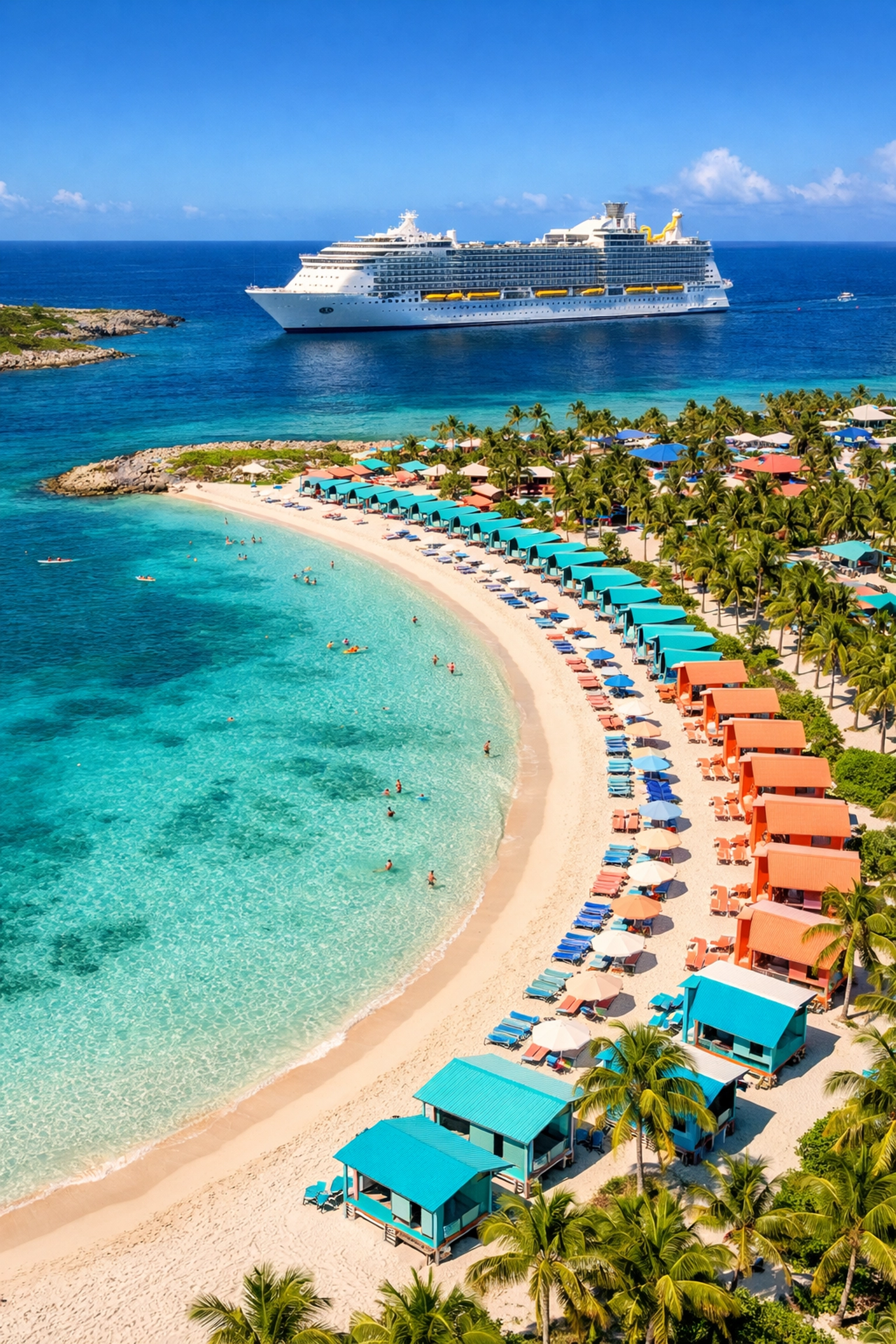
    Cruise ship anchored at private island beach destination with colorful cabanas in the Bahamas

    These aren’t really private islands in the traditional sense. They’re private to the cruise line, but you’re sharing them with a few thousand of your closest friends who happen to be on the same ship. Still, they exist for the same core reason that individual private islands exist: people crave exclusive experiences.

    Cruise line private islands let you feel like you’re somewhere special without the hassle of customs, without worrying about safety in unfamiliar ports, and without the aggressive beach vendors trying to braid your hair. The cruise company controls everything, curating your “deserted island” experience down to the last detail.

    It’s brilliant marketing when you think about it. They’re selling you a taste of private island life for the price of a cruise fare. And people love it. These destinations consistently rank as passengers’ favorite ports of call in surveys.

    The psychology is fascinating. Even though you’re on an island with thousands of other people, it feels private because it’s not open to the general public. You’re part of an exclusive group. Your wristband gets you in. That sense of controlled access, of being “in” while others are “out,” taps into the same desires that make billionaires buy their own islands.

    The Dark Side Nobody Mentions

    Let’s be real for a second. Private islands exist, but they come with complications nobody talks about at cocktail parties.

    Maintenance is a nightmare. Everything corrodes faster in salt air. Storms can devastate your paradise in hours. You need generators, backup generators, and probably a generator for your backup generator. Supplies have to be shipped in regularly. Staff need housing, and they need to be ferried back and forth.

    Environmental concerns are huge. Private island development can damage delicate marine ecosystems. Coral reefs suffer. Sea turtle nesting sites get disrupted. Some island owners work hard to be good environmental stewards, but not all of them do.

    Then there’s the isolation factor. Yes, that’s the point. But when medical emergencies happen, you’re potentially hours away from proper healthcare. When a hurricane is coming, evacuation gets complicated fast. When you need a part for your broken air conditioning system, you can’t just call a local technician.

    Local relations matter too. Many private islands exist near communities of regular people who’ve lived in the area for generations. The dynamics can get weird when a billionaire buys the island next door and starts building a massive compound. Economic benefits flow in through employment, but resentment can build too.

    Legal complexities are real. Different countries have different rules about foreign ownership of islands. Some places require you to get creative with corporate structures. Others limit what you can build or how much of the island you can develop. You need serious lawyers to navigate this stuff.

    The Future of Private Islands

    Private islands exist today, and they’ll exist tomorrow, but the game is changing.

    Climate change is the elephant in the room. Rising sea levels threaten low-lying islands. Increasing hurricane intensity makes some locations riskier. Forward-thinking island owners are investing heavily in sustainable infrastructure, renewable energy, and climate adaptation strategies.

    Technology is making private islands more accessible and livable. Starlink and similar satellite internet services mean you can run a business from your private island with the same connectivity you’d have in Manhattan. Solar technology improvements mean you can power an entire compound without noisy, smelly diesel generators.

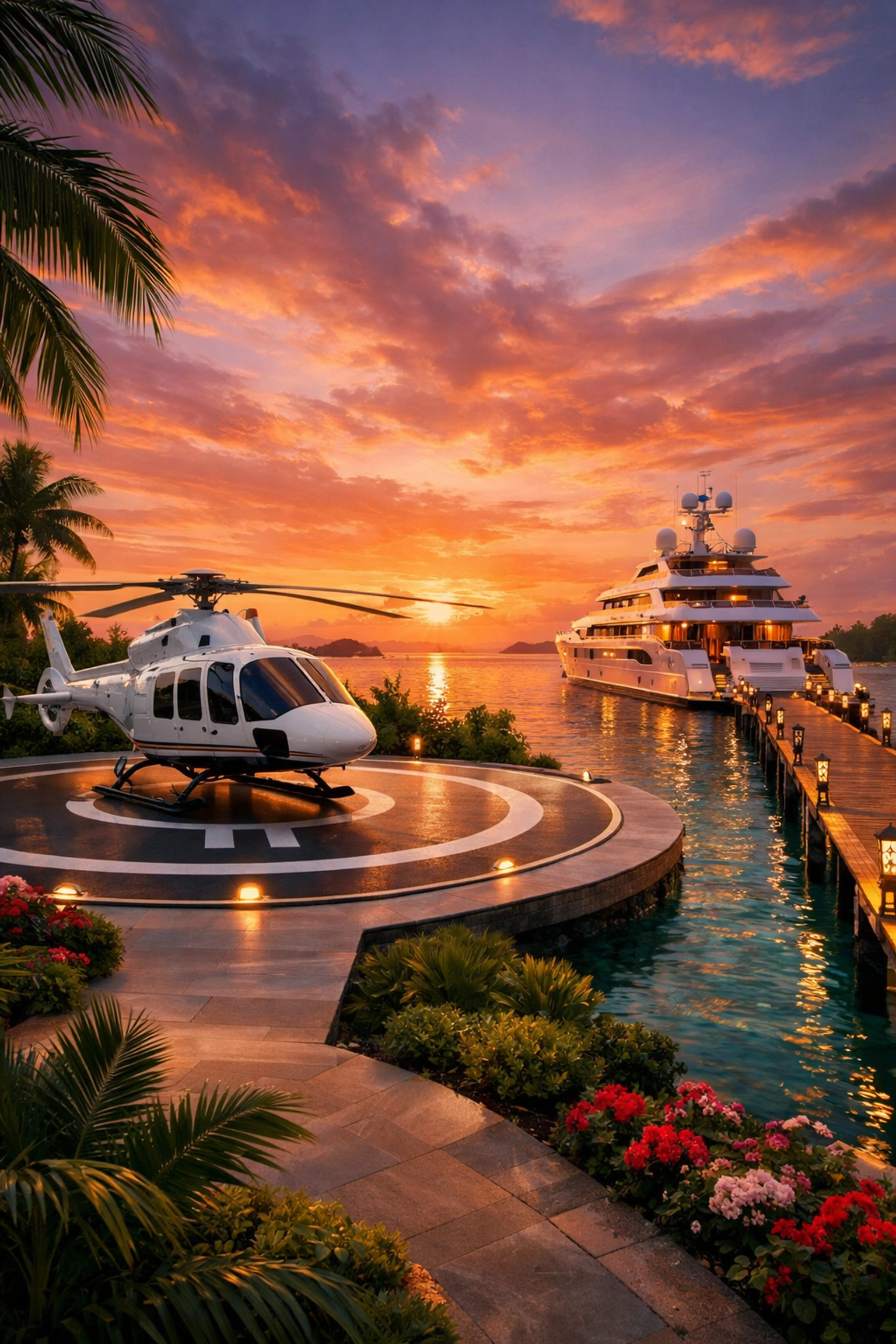
    Private island helipad and yacht dock at sunset showcasing luxury transportation access

    The ultra-wealthy are increasingly concerned about global instability, pandemics, and social unrest. Private islands appeal to the prepper mindset at the highest income level. They’re not building bunkers in New Zealand anymore. They’re creating self-sufficient island compounds that can function completely off-grid if necessary.

    We’re seeing more shared ownership models too. Fractional ownership of private islands lets multiple wealthy families split the costs and the time. It’s like a timeshare, except the property is an entire island and your co-owners are hedge fund managers instead of strangers from Des Moines.

    Virtual reality might eventually offer a weird twist. Why buy a physical private island when you can own a virtual one in the metaverse? Sounds crazy, but billionaires are already spending millions on digital real estate. The desire for exclusive, controlled spaces transcends physical reality.

    Why This All Matters to You

    You’re probably not buying a private island anytime soon. Neither am I. But understanding why they exist tells us something important about human nature and what we value.

    We all want privacy. We all want control over our environment. We all want beautiful spaces we can call our own. Private islands are just the most extreme expression of these universal desires.

    The good news? You can experience private island life without the private island price tag. Those cruise line destinations we talked about? They’re genuinely fun. Renting a private island for a week with your extended family or a group of friends is actually doable for special occasions if you split the costs.

    Some islands operate as ultra-luxury resorts where you can book individual villas. You’re technically sharing the island with other guests, but the properties are designed to make you feel like you have the whole place to yourself. It’s the private island experience with housekeeping included.

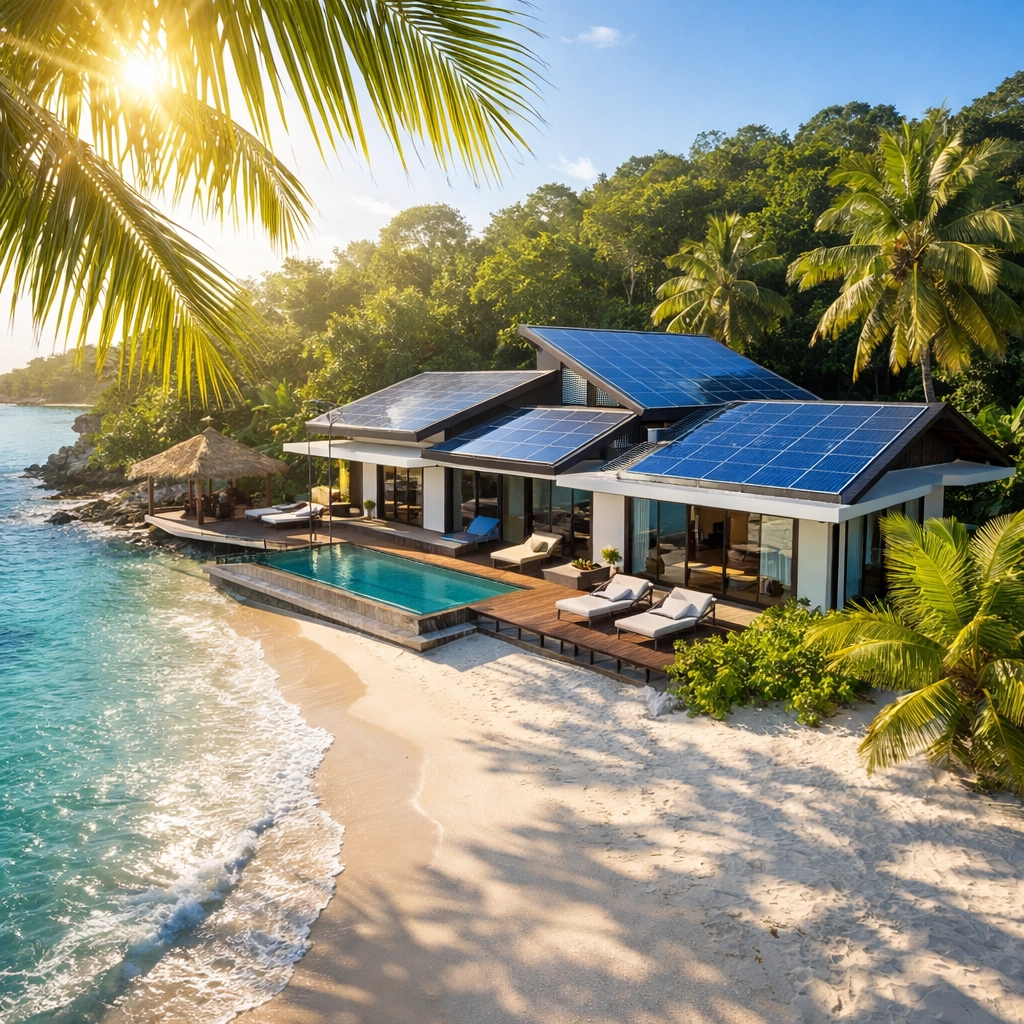
    Sustainable solar panels on beachfront villa blending eco-technology with private island paradise

    The psychology of private islands teaches us that sometimes the most valuable thing money can buy isn’t stuff. It’s space. It’s time. It’s the freedom to disconnect completely and exist on your own terms, even if just for a little while.

    The Real Answer

    So why do private islands exist?

    They exist because humans figured out how to create the ultimate exclusive experience. They exist because wealth accumulation eventually runs out of normal things to buy. They exist because privacy has become more valuable than almost any material possession. They exist because technology made them practical. They exist because the ocean creates natural boundaries that land never can.

    But mostly, private islands exist because somewhere deep in our brains, we all have this fantasy of a perfect place that’s entirely ours. A place where we make all the rules. A place where the outside world can’t reach us unless we want it to. A place that’s safe, beautiful, and completely under our control.

    Private islands are the physical manifestation of that fantasy taken to its logical extreme. They’re the answer to the question: “What if I could just buy paradise and put a fence around it?”

    Turns out, if you have enough money, you can. And people do. That’s why private islands exist.

    Whether you’re dreaming about your own island someday, planning to experience a cruise line’s private destination, or just curious about how the ultra-wealthy live, there’s something compelling about these isolated paradises. They represent possibility. They represent escape. They represent the ultimate luxury of choosing exactly who and what gets to be part of your world.

    And in 2026, as our lives become increasingly connected, surveilled, and crowded, that luxury is more appealing than ever.


    Visit www.TimeForYourVacation.com to start planning your next adventure. Check out www.DaveTheTourGuide.com for personalized travel guidance and insider tips. And keep reading www.TimeForYourVacation.blog for more honest takes on the travel industry and how to navigate it like a pro. Try our Luxury concierge with www.BlackKeyElite.com . And listen to my podcast! https://www.podomatic.com/podcasts/contact24682

  • [HERO] How Loyalty Programs Quietly Manipulate You

    You scan your airline app again. Just 2,347 more miles to Gold status. You don’t even have anywhere to go next month, but you’re already browsing flights to random cities just to hit that threshold.

    Sound familiar?

    Congratulations. You’ve been manipulated.

    And honestly? You’re in good company. Loyalty programs have become so sophisticated at influencing your behavior that you’re making decisions you wouldn’t otherwise make, spending money you wouldn’t otherwise spend, all while feeling like you’re somehow winning.

    The travel industry has perfected this art. Airlines, hotels, car rental companies, they’ve turned loyalty into a science, and you’re the lab rat pressing buttons for pellets. Except the pellets are plastic cards with meaningless metal tiers printed on them, and you’re spending thousands of dollars to earn them.

    Let me show you exactly how they’re doing it.

    The Pavlovian Traveler

    Remember Pavlov’s dogs? Ring a bell, get a treat, start salivating at the sound of bells? That’s you. Except instead of bells, it’s boarding announcements, and instead of treats, it’s early boarding privileges that save you approximately four minutes of standing time.

    Loyalty programs operate on a principle called operant conditioning. It’s deliciously simple: reward a behavior, and that behavior increases. Punish a behavior, and it decreases. Your brain doesn’t care if the reward is objectively valuable. It just wants the dopamine hit.

    Every time you book a flight and see those points stack up in your account, your brain releases a little burst of dopamine. You feel good. You feel accomplished. You’re “earning” something. Never mind that what you’re earning is the privilege of spending more money with the same company. Your brain has been trained to associate that airline with positive feelings.

    Traveler checking loyalty program app showing progress toward Gold status at airport terminal

    The genius part? They’ve also built in punishment. Hilton will demote you if you don’t maintain activity thresholds. Airlines threaten to expire your miles. Suddenly, you’re not just chasing rewards, you’re avoiding losses. And humans are far more motivated by loss aversion than potential gains. We’ll work twice as hard to avoid losing something we have than to gain something new.

    So there you are, booking a hotel stay you didn’t really need, routing through an inconvenient connection, or taking that extra business trip. Not because you want to. Because you don’t want to lose what you’ve already “earned.”

    The Progress Trap (And Why You Can’t Stop Now)

    Here’s where it gets really sneaky.

    You’ve probably noticed that hitting the first tier of status feels easy. You book two flights, and boom, you’re Silver. You stay at a hotel three times, and suddenly you’re a “member” with “exclusive benefits.” Those benefits might include… a free water bottle. Or late checkout that you never use. But you’ve made progress.

    This is the Endowed Progress Effect in action. Once you’ve started toward a goal, you become psychologically invested in completing it. It doesn’t matter that the goal is arbitrary and the reward is minimal. You’ve already put in effort. Quitting now feels like waste.

    Loyalty programs deliberately structure their tiers to get you hooked early. The first level requires minimal commitment. Maybe you were going to take those flights anyway. But once you’ve got that first tier, you’re in their ecosystem. You’re tracking points. You’re checking your status. You’re emotionally invested.

    And then comes the real manipulation: the next tier is always just out of reach.

    Close enough to feel achievable. Far enough that you’ll need to change your behavior to get there.

    This taps into the Goal Gradient Effect, the closer you get to a goal, the harder you work to achieve it. It’s why you run faster as you approach the finish line. It’s why students cram harder as deadlines approach. And it’s why you’ll book that utterly pointless flight in December just to maintain your status for next year.

    The travel industry has mastered this timing. They send you emails in November: “You’re only 5,000 miles away from Gold!” They know you’ll panic. They know you’ll book something. Anything. They’ve created artificial scarcity around an arbitrary deadline, and your brain cannot resist.

    Status: The Most Expensive Drug in Travel

    Let’s talk about tier status. Because this is where loyalty programs move from clever to borderline diabolical.

    Status in loyalty programs isn’t about the actual benefits. Sure, free checked bags are nice. Priority boarding saves you a few minutes. Lounge access is pleasant. But these perks cost the companies pennies compared to what you spend chasing them.

    Status is about identity.

    You’re not just a customer anymore. You’re a Gold member. You’re Elite. You’re Platinum. These programs have convinced you that your loyalty tier says something meaningful about who you are as a person. You’ve internalized their arbitrary hierarchy as a measure of your worth as a traveler.

    Watch yourself next time you board a plane. Notice how you feel when your elite status is called. Notice the tiny surge of superiority when you board before the “general” passengers. Notice how you position your bag so your status tag is visible.

    Business traveler with elite status card at priority boarding versus exhausted from chasing points

    The travel industry has hijacked your ego and convinced you to pay for the privilege.

    And the brilliance? The higher tiers require exponentially more spending. Going from no status to Silver might cost you three hotel stays. Going from Silver to Gold might require fifteen. Going from Gold to Platinum might demand forty. The rewards don’t scale proportionally. But the psychological investment does.

    You’ve already spent so much to get this far. You can’t quit now.

    This is the sunk cost fallacy weaponized against your wallet. Every dollar you’ve spent, every inconvenient flight you’ve taken, every loyalty decision you’ve made, it all becomes justification for continuing. Because if you stop now, all that previous investment feels wasted.

    The Gamification Con

    Modern loyalty programs have borrowed every trick from mobile gaming. And if you’ve ever spent three hours playing a game you don’t even like because you were “close to the next level,” you’ll recognize these tactics.

    Badges. Challenges. Surprise bonuses. Limited-time promotions. Streaks.

    These aren’t features. They’re manipulation tactics designed to trigger compulsive behavior.

    The hotel chain sends you a challenge: “Stay three more nights this month and earn double points!” This is pure psychology. They’ve created artificial urgency (this month only), attached an outsized reward (double points!), and given you a specific, achievable goal (three nights). Your brain loves this combination.

    Suddenly, you’re considering a weekend trip you weren’t planning. Not because you want to go somewhere. Because you want to complete the challenge.

    That’s gamification working exactly as intended.

    Airlines do this brilliantly with “mileage runs”, flights people take purely to earn status or maintain tier levels. These aren’t actual travel. They’re expensive errands designed to feed the loyalty program addiction. People will literally fly across the country and back in a day, spending hundreds of dollars and 12 hours, just to earn the miles they need for status.

    The entire trip is a chore. But completing it feels like winning.

    Collection of hotel and airline loyalty cards showing bronze, silver, gold, and platinum tiers

    And those surprise bonuses? When you unexpectedly earn extra points or get an upgrade, your brain releases even more dopamine than expected rewards. This random reinforcement is the same principle that makes slot machines addictive. You never know when the next reward is coming, so you keep pulling the lever.

    Or in this case, booking the flight.

    The Reciprocity Racket

    Humans are wired for reciprocity. When someone does something nice for us, we feel obligated to return the favor. It’s a social survival mechanism that loyalty programs exploit ruthlessly.

    You get upgraded to a better room. The hotel “comps” your breakfast. The airline gives you a free drink. These feel like gifts. Like the company is taking care of you. Like they value your loyalty.

    But they’re not gifts. They’re investments in your future spending.

    Studies show that people who receive unexpected rewards or perks from a loyalty program dramatically increase their spending with that brand. Not because the perks were valuable, breakfast might cost the hotel $8, but because you now feel indebted. You’ve been treated “special,” and you want to reciprocate by remaining loyal.

    This is particularly insidious because the perks often cost the company almost nothing. An upgrade to an empty room that would have gone unsold anyway. Access to a lounge that exists whether you use it or not. A priority boarding announcement that costs literally zero dollars.

    But to you, it feels valuable. It feels personal. And you reward them with loyalty that translates to thousands of dollars over time.

    The math is absurdly one-sided. They give you $20 worth of perks. You give them $2,000 worth of loyalty. But because the perks feel like gifts, you feel like you’re winning.

    Why You Can’t Walk Away

    By now, you might be thinking, “Okay, I see the manipulation. I’ll just stop participating.”

    Good luck with that.

    Because loyalty programs have created a system where not participating actively costs you. This is the ultimate lock-in strategy.

    If you’re not collecting miles, you’re paying more for the same flights that loyal customers get discounted or free. If you’re not chasing hotel points, you’re missing upgrades and perks that others receive automatically. The programs have created a two-tier system where casual customers subsidize rewards for loyal customers.

    You’re not choosing between participating and not participating. You’re choosing between being rewarded for your spending and being the sucker who pays full price while funding everyone else’s perks.

    Hotel loyalty app displaying limited-time triple points challenge with packed suitcase and travel documents

    Plus, you’ve already accumulated points. Hundreds of thousands of miles. Enough points for a free week at a decent hotel. Are you really going to walk away from that? Let all those points expire? Waste all that “value”?

    Of course not. So you keep participating. You keep booking through the loyalty program. You keep chasing status. And the deeper you get, the harder it becomes to leave.

    This is why loyalty programs work so brilliantly. They don’t just encourage repeat business: they make not repeating your business feel like a loss.

    The Hidden Price of “Free”

    Here’s the uncomfortable truth nobody talks about: those “free” rewards aren’t free.

    You changed your behavior to earn them. You booked flights you wouldn’t have otherwise taken. You stayed at hotels that weren’t your first choice. You routed through inconvenient connections. You spent time tracking points, comparing programs, strategizing redemptions.

    All of that has a cost. A real cost in time, money, and opportunity.

    Research shows that people in loyalty programs spend, on average, 15-40% more with those brands than they would without the program. You’re not earning free flights. You’re spending more to receive a partial rebund disguised as a reward.

    And the redemption process? Deliberately complex. Blackout dates. Capacity controls. Dynamic pricing that requires more points during peak times. Limited award availability. The programs make it just difficult enough that many people never redeem their rewards. They accumulate millions of “worthless” miles that will eventually expire.

    Even when you do redeem, the value is often underwhelming. That “free” flight you earned with 50,000 miles? You could have bought that same ticket for $350. Which means you valued your miles at 0.7 cents each. Meanwhile, you made booking decisions worth thousands of dollars to earn those miles.

    The math doesn’t work in your favor. But the psychology does: for them.

    Playing Smarter (Not Harder)

    Look, I’m not telling you to abandon loyalty programs entirely. That would be impractical in an industry that’s designed around them. What I’m saying is: recognize the manipulation for what it is.

    Loyalty programs work when you let them dictate your decisions. They lose power when you make decisions based on what you actually want, and then collect whatever rewards come along for the ride.

    Book the flight that best fits your schedule, not the one that earns the most miles. Stay at the hotel that’s in the best location, not the one that gives you double points. Choose the route that makes sense for your trip, not the one that maintains your status.

    Use loyalty programs opportunistically. Take the rewards when they’re offered. But don’t chase them.

    The moment you’re changing your behavior to earn points, you’ve lost. You’re spending more to receive less, all while convincing yourself you’re winning.

    The real luxury in travel isn’t Gold status or Platinum perks. It’s making decisions based on what actually enhances your experience, not what earns you meaningless points toward arbitrary tiers.

    Status doesn’t make travel better. It just makes you feel better about travel you might not have even wanted in the first place.

    The Bottom Line on Loyalty

    Loyalty programs are brilliant pieces of behavioral engineering. They’ve figured out how to make you feel good about spending more money for fewer choices while believing you’re somehow getting a deal.

    They’ve gamified consumption, turned spending into sport, and convinced millions of people that corporate rewards programs represent some kind of achievement worth pursuing.

    And the really impressive part? Even knowing all this, you’ll probably still participate. Because they’ve built a system where not participating feels worse than being manipulated.

    That’s not cynicism. That’s just acknowledging how effectively these programs exploit human psychology.

    The question isn’t whether you’ll use loyalty programs. The question is whether you’ll use them consciously, with clear eyes about what’s happening, or whether you’ll let them quietly manipulate you into decisions you wouldn’t otherwise make.

    Your wallet will thank you for choosing the former.


    Visit www.TimeForYourVacation.com to start planning your next adventure. Check out www.DaveTheTourGuide.com for personalized travel guidance and insider tips. And keep reading www.TimeForYourVacation.blog for more honest takes on the travel industry and how to navigate it like a pro. Try our Luxury concierge with www.BlackKeyElite.com . And listen to my podcast! https://www.podomatic.com/podcasts/contact24682

  • [HERO] Best Cruise Line for Solo Travelers

    Solo Travel at Sea: You’re Not Alone Anymore

    Solo travel is booming. Solo travel on cruise ships is finally catching up. Solo travel deserves better than paying double for a cabin designed for two people.

    Here’s the truth: cruise lines spent decades penalizing solo travelers with brutal single supplements that could add 50% to 200% to your fare. You’d pay for a room meant for two, even though you’re sleeping alone. It was highway robbery on the high seas.

    But things are changing. The best cruise lines for solo travelers now offer dedicated solo cabins, waived or reduced single supplements, exclusive lounges, and hosted social events designed to help you connect with fellow adventurers. You can finally sail without feeling like you’re being punished for traveling alone.

    Whether you’re a first-time solo cruiser or a seasoned independent traveler, choosing the right cruise line makes all the difference between a lonely voyage and an unforgettable adventure where you meet incredible people, explore amazing destinations, and never feel like the odd one out.

    Let me break down the best cruise lines for solo travelers in 2026, what each one offers, and how to choose the perfect fit for your travel style.

    Solo traveler woman enjoying sunset view from cruise ship deck railing

    Why Solo Cruising Has Become the Ultimate Travel Hack

    Solo cruising solves so many travel problems at once.

    You don’t need to coordinate schedules with friends who can never agree on dates. You don’t need to compromise on destinations or activities. You don’t need to worry about safety in unfamiliar places because cruise ships provide built-in security and structure. You don’t need to research restaurants or book hotels because everything’s handled.

    And here’s the beautiful part: you’re never truly alone unless you want to be. Cruise ships create natural opportunities for connection. You’ll meet people at dinner, at shore excursions, at the pool bar, at fitness classes. The social atmosphere is baked into the experience.

    The cruise industry has finally recognized that solo travelers represent a massive, growing market segment. Singles, divorced travelers, widows and widowers, digital nomads, and adventure-seekers are booking cruises in record numbers. Smart cruise lines are responding with dedicated solo cabins, better pricing, and programming specifically designed for independent travelers.

    Let’s look at which lines are doing it best.

    Norwegian Cruise Line: The Pioneer That Got It Right

    Norwegian Cruise Line pioneered the dedicated solo cabin concept, and they remain the gold standard for solo travelers who want affordability and community.

    The Solo Experience

    Norwegian offers the most extensive solo cabin inventory in the industry. Their newer ships like Norwegian Encore, Norwegian Escape, and Norwegian Bliss each feature 82-cabin solo complexes called “Studios.” These aren’t cramped closets: they’re thoughtfully designed interior cabins with full-size beds, modern amenities, and everything you need for a comfortable cruise.

    The real magic happens at the Studio Lounge, an exclusive space reserved solely for solo cabin guests. This private lounge features complimentary coffee, snacks, and a social atmosphere perfect for meeting fellow solo travelers. You can hang out, chat, grab a drink, or just relax with a book. It’s like having a VIP club membership included with your cabin.

    Pricing That Makes Sense

    Norwegian’s solo pricing is refreshingly straightforward. Instead of charging you nearly double for a regular cabin, their Studios are priced specifically for one person with minimal or no single supplement. On many sailings, you’ll pay only slightly more than half the cost of a double-occupancy cabin. That’s revolutionary in the cruise world.

    The Freestyle Advantage

    Norwegian’s “Freestyle Cruising” philosophy works perfectly for solo travelers. There’s no assigned dining times or rigid schedules. You eat when you want, where you want, and with whom you want. This flexibility means you can easily join new friends for dinner or explore on your own terms.

    The Downsides

    Here’s where Norwegian falls short: the Studios are interior cabins with no windows or balconies. If natural light is important to you, these won’t work. The ships can feel crowded during peak season with a party-cruise atmosphere that’s not everyone’s style. Service quality can be inconsistent, especially compared to ultra-luxury lines.

    Norwegian also doesn’t offer many organized social events specifically for solo travelers beyond the Studio Lounge access. You’ll need to put yourself out there to make connections.

    Modern solo cabin interior on cruise ship with bed and contemporary design

    Virgin Voyages: The Adults-Only Party Ship for Bold Solo Travelers

    Virgin Voyages burst onto the scene with a radically different approach to cruising, and solo travelers are reaping the benefits.

    The Solo Cabin Revolution

    Virgin offers 46 solo cabins on each of its four ships: an impressive number considering the ships only have 1,330 total cabins. That means roughly 3.5% of all cabins are designed specifically for solo travelers, which creates a critical mass of like-minded independent cruisers onboard.

    These “Insider Cabins” feature modern design, comfortable beds, and clever storage solutions. Like Norwegian, they’re interior cabins without windows, but Virgin’s cabin design feels more upscale and contemporary.

    Adults-Only Atmosphere

    This is Virgin’s secret weapon: no kids allowed. Everyone onboard is 18 or older, which creates a completely different vibe. The bar scene is lively. The conversations are more sophisticated. The entertainment is edgier. If you’re a solo traveler looking to meet people and have a good time, Virgin’s adults-only policy eliminates the family cruise atmosphere that can make solo travelers feel out of place.

    Pricing Philosophy

    Virgin Voyages rewards solo travel instead of punishing it. Their pricing structure often features reduced fares for solo travelers rather than the inflated single supplements other lines charge. You’ll actually save money by cruising solo with Virgin compared to booking a double cabin elsewhere.

    Social Scene and Happenings

    The entire Virgin Voyages experience is designed for social connection. The bar and restaurant scene encourages mixing and meeting new people. Their “Happenings” are creative group activities, from silent discos to pajama parties to fitness classes. The ship design features multiple gathering spaces that facilitate conversation.

    The Downsides

    Virgin is not for everyone. The party atmosphere, while great for social travelers, can feel overwhelming if you prefer a quieter, more refined cruise experience. The ships visit primarily Caribbean destinations, so you won’t find Alaska, Europe, or exotic itineraries here. Food quality has been inconsistent since launch, though they’re continuously improving.

    Virgin also attracts a younger demographic, typically 30s-50s. If you’re looking for a more mature crowd, this might not be your scene.

    Solo travelers socializing at adults-only cruise ship bar with ocean views

    Celebrity Cruises: Elevated Luxury for Sophisticated Solo Travelers

    Celebrity Cruises delivers modern luxury at a reasonable price point, and their approach to solo travel earned them the 2022 Solo Traveler Magellan Award from Travel Weekly.

    The Solo Stateroom Experience

    Celebrity offers single staterooms with actual balconies on select ships. Let that sink in: you get a veranda with ocean views without paying the brutal single supplement. These cabins are larger and more luxurious than Norwegian or Virgin’s interior Studios, with modern design, comfortable bedding, and thoughtful amenities.

    Not every Celebrity ship has dedicated solo cabins, so you’ll need to book strategically. The Edge-class ships are your best bet.

    Hosted Social Events

    Celebrity takes the social aspect seriously with hosted meet-and-greets, group shore excursions, and scheduled gatherings specifically for solo travelers. A dedicated host helps facilitate introductions and organize activities, which takes the pressure off having to constantly introduce yourself.

    Service and Atmosphere

    Celebrity strikes a beautiful balance between relaxed and refined. Service is attentive without being stuffy. The onboard atmosphere feels elegant but not pretentious. The crowd tends to be more mature and well-traveled, which means better conversations and more interesting dinner companions.

    Destination Variety

    Celebrity sails to incredible destinations worldwide: Alaska, Europe, Caribbean, South America, Asia. If you’re looking for bucket-list itineraries beyond the standard Caribbean routes, Celebrity delivers.

    The Downsides

    Celebrity’s solo cabins are limited in number, so they book up quickly. You’ll need to plan ahead and book early to secure them. When solo cabins aren’t available, you’ll face single supplements that can range from 125% to 200% of the double-occupancy rate, which gets expensive fast.

    The social programming, while excellent, requires you to show up at scheduled times. If you prefer spontaneous connections over organized events, you might find this structure limiting.

    Royal Caribbean: The Mega-Ship Experience for Solo Adventurers

    Royal Caribbean is the king of mega-ships with every amenity imaginable, and they’re slowly embracing solo travelers with dedicated cabin options.

    The Solo Cabin Situation

    Royal Caribbean has been slower to embrace dedicated solo cabins compared to Norwegian or Virgin. Their newest ships like Odyssey of the Seas and Wonder of the Seas feature a limited number of “Solo Interior” cabins, but inventory is tight and they sell out quickly.

    When solo cabins aren’t available, you’re looking at single supplements that can be steep. However, Royal Caribbean occasionally offers solo promotions and reduced supplements on select sailings, so flexibility with your dates can yield savings.

    The Activities Advantage

    Where Royal Caribbean shines for solo travelers is the sheer variety of activities onboard. These ships are floating entertainment complexes with rock climbing walls, ice skating rinks, surf simulators, Broadway shows, comedy clubs, and specialty restaurants. You’ll never be bored, and activities create natural opportunities to meet people.

    Social Opportunities

    The size of Royal Caribbean ships: some carrying 6,000+ passengers: means you’re likely to find fellow solo travelers simply by probability. The ships attract a diverse crowd of all ages and travel styles. Group shore excursions and onboard activities provide easy mixing opportunities.

    The Downsides

    The mega-ship experience can feel overwhelming and impersonal. Finding quiet spaces becomes a challenge. Service can be inconsistent with so many passengers to attend to. The ships often sail packed to capacity, especially during holidays and school breaks.

    Royal Caribbean doesn’t offer dedicated solo programming or hosted events, so you’re on your own to make connections. The dining room seating can also be awkward as a solo traveler unless you request communal seating.

    Luxury cruise ship balcony stateroom with ocean views for solo travelers

    What to Consider When Choosing Your Solo Cruise

    Your perfect solo cruise line depends on what matters most to you.

    Budget Conscious? Norwegian Cruise Line offers the best value with minimal single supplements and the most solo cabin inventory. You’ll get a private cabin and social space without breaking the bank.

    Social Butterfly? Virgin Voyages creates the most natural social atmosphere with adults-only sailing, lively bars, and a party vibe perfect for meeting people.

    Luxury Seeker? Celebrity Cruises delivers upscale experiences with beautiful cabins, refined service, and hosted social events for sophisticated travelers.

    Adventure Junkie? Royal Caribbean’s mega-ships pack in activities and entertainment, though you’ll pay more as a solo traveler unless you snag one of their limited solo cabins.

    Destination Driven? Celebrity and Royal Caribbean offer the widest variety of itineraries globally, while Norwegian provides solid options, and Virgin focuses primarily on Caribbean routes.

    Age and Vibe? Virgin attracts younger crowds (30s-50s) with a party atmosphere. Celebrity skews slightly older with refined tastes. Norwegian and Royal Caribbean span all ages and styles.

    Window or No Window? If natural light is non-negotiable, Celebrity’s solo staterooms with balconies are worth the premium. Norwegian, Virgin, and Royal Caribbean’s solo cabins are interior with no windows.

    How a Luxury Travel Agency Makes Solo Cruising Effortless

    Booking a solo cruise involves complexities that most travelers don’t anticipate.

    Which ships have solo cabins? Which sailings offer reduced single supplements? Which cabin categories actually make sense for solo travelers? Which dates have the best pricing? Which itineraries maximize value?

    A luxury travel agency specializing in cruises answers all these questions and does the heavy lifting for you.

    Expert Knowledge

    Travel advisors know which cruise lines truly welcome solo travelers versus those that just offer lip service. They understand the nuances of single supplements, cabin availability, and promotional offers. They’ve often sailed these lines themselves and can provide firsthand insights.

    Access to Better Deals

    Agencies often have access to group rates, wave season promotions, and exclusive offers that aren’t available to the general public. They can monitor price drops and rebook you if rates decrease after your initial booking. They know when cruise lines release solo promotions and can jump on deals the moment they appear.

    Personalized Matching

    A good travel advisor takes time to understand your travel style, preferences, and budget, then matches you with the right cruise line and itinerary. They’ll steer you away from sailings that don’t fit your vibe and toward experiences that exceed your expectations.

    Onboard Credits and Upgrades

    Agencies can often secure onboard credits, beverage packages, specialty dining, or cabin upgrades that add significant value to your cruise. These perks can offset the cost of using an advisor.

    Problem Solving

    When issues arise: and they sometimes do: having an advocate in your corner makes all the difference. Your travel advisor handles rebookings, resolves billing issues, and navigates cruise line bureaucracy so you don’t have to.

    Complete Trip Planning

    The cruise is just one component. A full-service travel agency can arrange pre- and post-cruise hotels, flights, transfers, shore excursions, travel insurance, and every other detail. You get a seamless, stress-free experience from door to door.

    Solo traveler rock climbing on cruise ship activity wall with passengers watching

    Your Solo Cruise Adventure Awaits

    Solo cruising isn’t just about saving money on accommodations: it’s about creating the exact vacation you want on your terms.

    You choose the destinations. You set the schedule. You eat what you want, when you want. You make friends or enjoy solitude as the mood strikes. You return home with stories, experiences, and connections that wouldn’t exist if you’d waited for someone else’s schedule to align with yours.

    Norwegian Cruise Line gives you the most solo cabin options and the best value. Virgin Voyages creates a social, adults-only party atmosphere. Celebrity Cruises delivers refined luxury with balcony cabins and hosted events. Royal Caribbean offers endless activities on mega-ships, if you can snag a solo cabin.

    The right choice depends on your personality, budget, and travel style. There’s no wrong answer: just different flavors of adventure.

    And remember: booking through a knowledgeable luxury travel agency means you benefit from insider knowledge, better pricing, valuable perks, and complete peace of mind. You focus on packing and daydreaming while they handle every detail.

    Ready to set sail? Your solo cruise adventure is closer than you think. The ocean is calling, the ships are sailing, and your cabin is waiting.

    I’m here to help make it happen. Whether you’re dreaming of Norwegian fjords, Caribbean beaches, or Mediterranean coastlines, whether you want party vibes or peaceful luxury, whether this is your first solo cruise or your tenth: let’s find your perfect sailing.

    Reach out and let’s start planning. Visit www.TimeForYourVacation.com to explore your options, check out www.DaveTheTourGuide.com for travel inspiration, and follow www.TimeForYourVacation.blog for the latest cruise tips and destination guides.

    Your adventure begins now. Solo doesn’t mean alone: it means freedom. And the best cruise line for you is the one that helps you experience that freedom exactly the way you want.


    Visit www.TimeForYourVacation.com to start planning your next adventure. Check out www.DaveTheTourGuide.com for personalized travel guidance and insider tips. And keep reading www.TimeForYourVacation.blog for more honest takes on the travel industry and how to navigate it like a pro.
    try our Luxury concierge with www.BlackKeyElite.com
    And listen to my podcast! https://www.podomatic.com/podcasts/contact24682

  • [HERO] When Flying Was Luxury (and Who Ruined It)

    You’ve seen the photos. You’ve heard the stories from your grandparents. You know the ones, where people dressed in their Sunday best just to board an airplane. Where champagne flowed freely in coach. Where legroom wasn’t something you paid $79 extra to unlock.

    Flying used to be luxury. Flying used to be an event. Flying used to be something people looked forward to, not something they endured with neck pillows and noise-canceling headphones.

    So what happened? Who turned the glamorous world of aviation into the cramped, fee-laden experience we know today?

    The answer isn’t simple. The answer involves technology, economics, government regulation, and yes, corporate decisions that prioritized profit over passenger comfort. But here’s what you need to know: luxury flying isn’t dead. It just costs a whole lot more than it used to.

    The Golden Age: When Everyone Flew Like Royalty

    Let’s travel back to 1958. You’re boarding a Pan Am flight from New York to London. You’re wearing a suit or a dress, not because you’re someone important, but because that’s just what people do when they fly.

    You walk up the airstairs onto a Boeing 707, one of the first jet airliners in commercial service. The cabin is spacious. The seats are wide. Real wide, about 18-21 inches with generous padding. You’re not sitting knee-to-seatback with the person in front of you.

    A flight attendant, dressed impeccably in a designer uniform, greets you with a genuine smile. She hands you a menu. An actual menu. With multiple courses. You’ll be served a full meal on real china with metal cutlery. There’s complimentary cocktails. There’s legroom. There’s even ashtrays built into the armrests because, well, it was 1958.

    1950s Pan Am luxury airline cabin with spacious seating and elegant passengers during golden age of flying

    This wasn’t first class. This was the only class available on many flights. Everyone got treated like royalty because airlines competed on service, not just price.

    The cost? About $300 for a one-way transatlantic ticket in 1958. That’s roughly $3,100 in today’s dollars. Flying was expensive. Flying was exclusive. Flying was luxury.

    The Era of Grand Airlines and Grander Promises

    Airlines in the 1950s and 1960s didn’t just sell transportation. They sold experiences. They sold glamour. They sold the dream of international travel to an emerging middle class that had never left their home state, let alone their country.

    Pan American World Airways, Pan Am to everyone who remembers it, was the gold standard. Their blue globe logo meant sophistication. Their tagline “The World’s Most Experienced Airline” wasn’t marketing fluff. It was truth.

    TWA had Howard Hughes designing aircraft interiors. BOAC (the predecessor to British Airways) offered sleeper seats on long-haul flights. Even domestic carriers like United and American competed on comfort and service.

    Your ticket price included everything. Your checked bags. Your meals. Your drinks. Your seat selection. There were no hidden fees because the concept of unbundling services hadn’t been invented yet.

    Flying was so special that people who weren’t traveling would dress up and go to the airport just to watch planes take off. Airports had observation decks where families would spend Sunday afternoons. The romance of flight captured imaginations worldwide.

    The Technology That Changed Everything

    Here’s where things get interesting. The “ruin” of luxury flying wasn’t really a ruin at all, it was democratization. And it started with better planes.

    The Douglas DC-3, which entered service in 1936, revolutionized commercial aviation. It could carry 21 passengers, double the capacity of previous aircraft. It was reliable. It was profitable. By 1939, DC-3s carried 90 percent of the world’s airline traffic.

    But the real game-changer came in 1970: the Boeing 747.

    The 747 changed everything. This massive wide-body aircraft could carry up to 400 passengers in a single flight. Airlines could suddenly transport four times as many people with only marginally higher operating costs.

    The economics were simple. More passengers per flight meant lower per-seat costs. Lower per-seat costs meant airlines could charge less and still make money. Lower ticket prices meant more people could afford to fly.

    Boeing 747 wide-body aircraft that revolutionized mass-market aviation and made flying affordable

    Mass-market aviation was born. Flying went from exclusive to accessible. From special to routine. From luxury to commodity.

    The Deregulation Earthquake of 1978

    If you want to point to a single moment that transformed American air travel forever, it’s October 24, 1978. That’s when President Jimmy Carter signed the Airline Deregulation Act.

    Before 1978, the U.S. government controlled airline routes and ticket prices. Airlines couldn’t just start flying wherever they wanted and charging whatever price the market would bear. The Civil Aeronautics Board approved everything.

    This meant airlines competed on service, not price. They couldn’t undercut each other on fares, so they outdid each other with amenities. Better meals. More legroom. Friendlier service.

    Deregulation changed the game entirely. Suddenly airlines could fly any domestic route they wanted. They could charge any price they wanted. They could compete however they wanted.

    What happened next? Price wars. Aggressive competition. New discount carriers entering the market. And a race to the bottom on service quality.

    Airlines realized something crucial: most passengers care more about price than comfort. Given the choice between a $200 ticket with mediocre service and a $400 ticket with excellent service, most people chose the cheaper option.

    The market had spoken. The market wanted cheap. The market got cheap.

    How Airlines Stripped It All Away

    Here’s how airlines systematically dismantled the golden age experience:

    First, they shrunk the seats. That generous 18-21 inch width? It became 17-18 inches. Then 16-17 inches on some budget carriers. Seat pitch (the distance from your seat to the one in front of you) went from 34-35 inches down to 30-31 inches. Some ultra-low-cost carriers now offer 28 inches.

    Second, they invented fees. Checked bags used to be included. Now they cost $30-75 each way. Seat selection? That’ll be $15-50. Want to board early? Pay up. Need a blanket? That’s $8. Hungry? Snack boxes start at $10.

    Airlines discovered they could advertise ultra-low base fares and make up the difference with ancillary revenue. In 2019, U.S. airlines collected over $5.8 billion in baggage fees alone.

    Third, they eliminated free food. Those multi-course meals on china? Gone. The free drinks? Gone. Even the free snacks mostly disappeared from domestic flights. You’re lucky if you get a small bag of pretzels now.

    Fourth, they packed in more seats. Airlines realized that removing a few inches of legroom throughout the cabin meant they could fit an entire extra row of seats. More seats meant more revenue. Your comfort became secondary to their profit margins.

    Fifth, they merged into massive corporations. Competition decreased. Service expectations dropped. When there are only three or four major carriers controlling most routes, passengers have limited options. You either accept the conditions or you don’t fly.

    Side-by-side comparison of cramped modern economy class versus spacious vintage 1960s airline cabin

    The Modern Economy Experience: A Necessary Evil

    Let’s be honest about today’s economy air travel. It’s not luxurious. It’s not comfortable. It’s barely tolerable on long flights.

    You arrive at the airport two hours early for domestic flights, three for international. You wait in security lines where you remove your shoes, empty your pockets, and hope you don’t get flagged for random additional screening.

    You board the plane through multiple zones designed to extract premium boarding fees from passengers desperate to secure overhead bin space. You squeeze into a seat that seems designed for someone six inches shorter and 30 pounds lighter than you.

    The person in front of you immediately reclines into your lap. The person behind you kicks your seat. The middle seat passenger claims both armrests. You’re there for the next four hours.

    Want entertainment? Bring your own device and hope the WiFi works. Hungry? Better have downloaded food delivery apps before takeoff or prepared to pay $12 for a sad sandwich.

    It’s not flying. It’s mass transit with altitude.

    But here’s the thing: you paid $150 for a cross-country flight that would have cost $2,000 in inflation-adjusted 1960s dollars. You get what you pay for.

    The Luxury Alternative: Welcome to the Top

    Luxury flying didn’t disappear. It evolved. It moved up market. It became more exclusive than ever before.

    Modern first-class suites make 1950s luxury look quaint. We’re talking about private cabins with doors. Lie-flat beds with mattress pads. Multiple course meals designed by celebrity chefs. Premium champagne and wine selections. Dedicated flight attendants. Amenity kits worth hundreds of dollars.

    Emirates A380 first class has private suites with sliding doors and onboard showers. Yes, showers. At 40,000 feet.

    Singapore Airlines Suites Class offers double beds, 32-inch entertainment screens, and service that anticipates your needs before you articulate them.

    Etihad’s The Residence is a three-room apartment in the sky with a bedroom, bathroom with shower, and living room. The cost? Around $30,000 for a one-way ticket from New York to Abu Dhabi.

    Modern luxury first-class airline suite with private cabin, lie-flat bed, and premium amenities

    These aren’t seats. These are flying hotel rooms. The golden age passengers would be stunned.

    And then there’s private aviation. The truly wealthy don’t fly commercial at all anymore: not even in first class. They charter or own private jets.

    NetJets, VistaJet, and Wheels Up offer jet card programs where you pay for flight hours and fly whenever you want. No security lines. No boarding zones. No middle seats. You drive up to the plane, walk up the stairs, and take off.

    The cost starts around $5,000 per flight hour. A coast-to-coast flight runs about $25,000-35,000. For that price, you get total privacy, complete schedule control, and the ability to land at smaller airports closer to your destination.

    This is how the 0.1% travel now. This is the new golden age: just for far fewer people.

    The Business Class Middle Ground

    You don’t need to spend $30,000 on a ticket to reclaim some dignity in air travel. Business class on international routes offers a legitimate luxury experience at merely expensive prices instead of absurdly expensive prices.

    Most long-haul business class cabins now feature lie-flat seats that convert into actual beds. You get multi-course meals, premium alcohol, priority boarding, lounge access, and significantly more personal space.

    A business class ticket from New York to London might cost $3,000-5,000 roundtrip. That’s expensive, but it’s also exactly what flying cost in economy during the golden age (when adjusted for inflation). You’re essentially buying the 1960s flying experience.

    Airlines know there’s a market segment willing to pay for comfort but not willing to pay first-class prices. Business class serves that niche perfectly.

    The Real Question: Who Actually Ruined It?

    So who ruined luxury flying? Let’s assign blame honestly:

    The airlines for choosing profit over passenger experience. They didn’t have to shrink seats quite so much. They didn’t have to invent quite so many fees. They chose to because shareholders demanded growth and the easiest path to growth was cutting costs and maximizing revenue per flight.

    The government for deregulating without considering long-term service quality implications. Deregulation brought lower prices but it also brought a race to the bottom. There are probably middle-ground regulatory frameworks that could preserve competition while maintaining minimum service standards.

    Technology for making mass aviation possible. You can’t put the genie back in the bottle. Once planes could carry 400 passengers efficiently, airlines were always going to fill every seat.

    Economics for favoring efficiency over elegance. In a capitalist system, services naturally evolve toward what the market demands. The market demanded cheap flights more than comfortable flights.

    Us: the passengers for choosing low prices over good service again and again. Every time we book the $150 flight instead of the $400 flight with better service, we vote with our wallets. We tell airlines that price matters more than comfort. They listen.

    The truth is that luxury flying wasn’t ruined by a villain. It was transformed by market forces, technological advancement, and changing consumer priorities. What we lost in universal accessibility we gained in affordability. What we lost in comfort we gained in reach.

    Private jet on tarmac at sunset representing ultimate luxury aviation and exclusive travel

    Can Golden Age Flying Return?

    Some airlines are trying. Singapore Airlines, Emirates, Qatar Airways, and All Nippon Airways consistently rank among the world’s best for passenger service and comfort. They prove that excellent service is still possible: at the right price.

    Boutique carriers like JetBlue Mint and La Compagnie offer business-class only flights at competitive prices. They’re betting there’s a market segment tired of economy but priced out of traditional business class.

    Even legacy U.S. carriers are slowly improving. New aircraft like the Airbus A350 and Boeing 787 Dreamliner feature better cabin pressure, humidity control, and larger windows. Some airlines are increasing seat width and pitch in premium economy sections.

    But a true return to golden age flying for everyone? That’s not economically feasible. Those $3,100 (inflation-adjusted) tickets aren’t coming back for basic economy service. The only way to experience golden-age comfort now is to pay golden-age prices.

    Making Your Next Flight Better

    You can’t turn back time, but you can make smarter flying choices:

    Book premium economy on long flights. You get 2-3 extra inches of legroom and better seat recline for usually 30-50% more than economy. It’s worth it for flights over six hours.

    Use airline credit cards strategically. Many premium travel cards offer perks like free checked bags, priority boarding, and lounge access. If you fly regularly, the annual fee pays for itself.

    Fly during off-peak times. Business class and first class award availability is much better on Tuesday and Wednesday flights than Friday and Sunday flights.

    Consider positioning flights. Sometimes flying from a different nearby airport gets you access to better airlines and cabin classes at similar total costs.

    Join loyalty programs and actually stick with them. Elite status with an airline brings complimentary upgrades, free seat selection, and other perks that make economy bearable.

    Look at international carriers for long-haul flights. Middle Eastern and Asian carriers often offer significantly better service than U.S. carriers on the same routes.

    The Final Verdict

    Flying changed. Flying became accessible. Flying lost its glamour.

    Was luxury flying ruined? Maybe. Was it democratized? Absolutely. The same changes that eliminated universal comfort also gave millions of people the ability to travel the world who never could have afforded it in the golden age.

    You can lament what was lost. You can absolutely complain about cramped seats, hidden fees, and declining service. Those complaints are valid.

    But you can also book that transatlantic flight for $300 instead of $3,100. You can visit family across the country for $150. You can take that European vacation you’ve been dreaming about without taking out a second mortgage.

    Luxury flying still exists. It’s just expensive again. Very expensive. As expensive as it always was, actually: we just forgot because there was a brief period where everyone flew comfortably at subsidized, regulated prices.

    The golden age of aviation wasn’t ruined. It was transformed into something more egalitarian and less elegant. Whether that’s progress or decline depends on your perspective and your bank account.

    What’s undeniable is this: flying today is what we collectively chose through millions of individual booking decisions. We chose cheap over comfortable. We chose accessible over exclusive. We chose to visit more places over arriving in style.

    We got exactly what we asked for.


    Ready to experience luxury travel the way it’s meant to be? Whether you’re looking for guidance on maximizing your flying experience or planning an unforgettable vacation where the journey matters as much as the destination, we’re here to help.

    Visit www.TimeForYourVacation.com to start planning your next adventure. Check out www.DaveTheTourGuide.com for personalized travel guidance and insider tips. And keep reading www.TimeForYourVacation.blog for more honest takes on the travel industry and how to navigate it like a pro. And try our Luxury concierge with www.BlackKeyElite.com

  • [HERO] Is February Too Late to Book Your Summer Vacation? Here's the Truth

    You’re scrolling through vacation photos. You’re daydreaming about summer escapes. You’re wondering if you’ve already missed the boat on booking that perfect getaway.

    It’s mid-February, and you haven’t booked your summer vacation yet. Your inbox is flooding with “last chance” emails from travel sites. Your Instagram feed is full of people bragging about their summer plans already locked in. And you’re starting to panic.

    So here’s the question everyone’s asking right now: Is February too late to book your summer vacation?

    The answer isn’t simple. But it’s the answer you need to hear.

    The Honest Answer: It Depends (But Don’t Panic Yet)

    February isn’t too late for summer travel. But it’s getting close to the wire for certain destinations, certain weeks, and certain types of accommodations.

    Think of it this way. If you want the Presidential Suite at the Four Seasons Maui for the week of July 4th, that ship has sailed. That room was booked six months ago by someone who plans their vacations like military operations.

    But if you’re flexible on dates? If you’re open to different destinations? If you’re willing to take a garden view instead of oceanfront? You still have options. Good options, actually.

    The travel industry has changed dramatically. Peak summer weeks used to get booked three to four months out. Now? Popular accommodations are filling up in February for June and July travel. Sometimes earlier.

    Luxury resort room with ocean view and laptop for planning summer vacation bookings

    The pandemic shifted booking patterns. People are planning farther in advance because they’re worried about availability. They’re locking in their summer plans while snow is still on the ground. They’re booking trips in January and February that they won’t take until August.

    This creates a new reality. The early bird doesn’t just get the worm anymore. The early bird gets the only worm.

    But here’s what the panic-inducing travel blogs won’t tell you. There’s still inventory available. Airlines are still flying. Hotels still have rooms. You just need to know where to look and what to expect.

    What’s Already Disappearing Right Now

    Let’s talk about what’s actually selling out in February.

    The best rooms are going first. Ocean view suites. Adults-only sections. Rooms with private plunge pools. Connecting family suites. These premium categories disappear fast because there are fewer of them to begin with.

    If you’re targeting a resort with 300 rooms but only 40 are true oceanfront suites, those 40 rooms are probably spoken for by mid-February. You’ll still find availability at the resort. Just not in the category you originally wanted.

    Peak summer weeks are tight. The week of July 4th. The first two weeks of August. The last week before school starts. These weeks have always been competitive, and they’re even more competitive now.

    Family travelers book around school schedules. They have zero flexibility. So these specific weeks fill up first, sometimes months in advance.

    Award availability is vanishing. If you’re planning to use credit card points or airline miles, February might actually be late. Award seats on flights get snapped up the moment airline schedules open, which is typically 330 to 365 days in advance.

    By February, the best award availability for summer travel is already picked over. You’ll still find options, but you’ll pay more points or accept less convenient flight times.

    Special events and festivals. If there’s a major event happening in your destination, February is definitely late. The FIFA World Cup 2026 is already impacting hotel availability 120+ days out. Music festivals, sporting events, cultural celebrations, these drive booking windows even earlier.

    The Flight Booking Strategy for February Bookings

    Here’s where the news gets better. Summer 2026 flights are still bookable right now on every major carrier.

    Delta, United, and American all have rolling schedules that extend roughly 330 days out. If you’re booking in mid-February for summer travel, you’re looking at flights through late October. The inventory is there.

    But flight pricing is complicated. Booking the moment flights appear doesn’t guarantee the best price. The sweet spot for domestic summer travel is typically one to three months before departure.

    This means if you’re traveling in July, booking in April or May might actually get you better fares than booking right now in February.

    International travel is different. Long-haul international flights to Europe, Asia, or South Pacific destinations typically see the best prices four to six months out. For those routes, February booking for July travel is right on target.

    Travel planning materials including passport, map, and flight search for summer vacation booking

    The real strategy? Book your flights when you’re comfortable with the price and the schedule. If you see a fare that works for your budget and the flight times are convenient, book it. Don’t wait around hoping for a better deal while availability shrinks.

    Most airlines offer free changes now, at least for main cabin and above. You can book now to secure your seat, then monitor prices. If fares drop, you can often get a credit for the difference.

    For award bookings, don’t wait. Seriously. Book those now. Award availability only gets worse as departure dates approach. If you’re using points, February is already pushing the limits for summer travel.

    The Hotel and Resort Reality Check

    This is where February booking gets tricky.

    Hotels and resorts in popular summer destinations are seeing massive early booking surges. The best beachfront properties fill up after early April. By May, you’re competing for scraps.

    I’m watching this happen in real-time across multiple destinations. Turks and Caicos? The premium all-inclusives are already showing limited availability for July. Greek Islands? The boutique hotels with those Instagram-worthy infinity pools are nearly sold out for August.

    Caribbean resorts? Same story. The adults-only sections book first. Then the swim-up suites. Then the ocean view rooms. By the time June rolls around, you’re looking at garden view accommodations or properties that weren’t your first choice.

    European city hotels are slightly different. Major cities like Paris, Rome, and Barcelona have enough hotel inventory that you’ll find rooms even if you book in May or June. But you’ll pay a premium, and you’ll be staying farther from the city center or in less desirable neighborhoods.

    Resort destinations are the real concern. When you’re talking about an island with limited hotel inventory, February is absolutely the time to book. There’s nowhere for new supply to magically appear. What you see in February is what you get.

    Destination-Specific Timing Matters

    Not all destinations follow the same booking timeline.

    Caribbean and Mexico: Book now. These are peak winter and summer destinations with limited inventory on small islands. February is not too late, but March might be.

    Europe: You still have time. European cities have vast hotel inventory and excellent public transportation, so you have more options. But popular coastal areas like the Amalfi Coast or French Riviera are booking up quickly.

    Hawaii: Book yesterday. Hawaii has been operating near capacity since travel resumed. Summer is peak season. The best properties are already tight for July and August.

    Alaska cruises: Surprisingly, you still have decent availability. Alaska cruise season runs May through September, and the shoulder months (May and September) still have inventory in February. July and August sailings are tighter.

    U.S. National Parks: Accommodations inside popular parks like Yellowstone, Yosemite, and Grand Canyon book out a year in advance. If you haven’t booked those yet, you’re looking at staying outside the park and driving in daily.

    Beach resorts in U.S.: Think Florida, California, South Carolina coast. These destinations have more inventory, but the best properties (Ritz-Carlton, Four Seasons, etc.) are booking quickly for summer. You’ll find availability, but maybe not at your first-choice property.

    Aerial view of Caribbean beach resort showing available accommodations for summer travel

    The Flexibility Advantage

    Here’s your secret weapon: flexibility.

    If you can travel during the week instead of weekends, you’ll find better availability and better prices. Most families travel Friday to Friday or Saturday to Saturday. Tuesday to Tuesday bookings often have more inventory.

    If you can shift your dates by even a few days, you open up options. The difference between July 3rd and July 10th is massive in terms of availability and pricing.

    If you’re open to different destinations, you’re golden. Everyone wants Santorini in August. But Croatia’s Dalmatian Coast? Southern Portugal? Montenegro? These alternatives have better availability and often better value.

    If you’ll consider different resort brands or hotel categories, you expand your options significantly. Maybe you had your heart set on a particular resort, but the sister property next door has the same beach and similar amenities with better availability.

    Flexibility is currency in travel booking. The more flexible you are, the more value you’ll extract from booking in February instead of January.

    What to Book Right Now (Like, Today)

    If you’re reading this in February and you haven’t booked summer travel yet, here’s what needs to happen immediately:

    Book these now if they apply to your plans:

    Resort accommodations in the Caribbean, Mexico, or Hawaii. Don’t wait another day. These properties are filling up rapidly, and the best room categories are already sparse.

    Any travel during peak summer weeks (late June through early August). If your dates are locked due to school schedules or work commitments, book now.

    Villas or vacation rentals in popular destinations. These are one-of-a-kind properties. When they’re booked, they’re booked. There’s no “another villa just like it down the street.”

    Tours and activities with limited capacity. Small group tours, private guides, dinner reservations at exclusive restaurants, these often book months in advance. If you know what you want to do at your destination, book it now.

    Award flights if you’re using points. Don’t wait on this one. Award availability only gets worse.

    Rental cars in popular destinations. Car rental fleets haven’t fully recovered in some markets, and summer demand drives prices up significantly.

    What You Can Still Wait On (If You’re Strategic)

    Not everything requires immediate booking panic.

    You can potentially wait on flights if:

    You’re booking domestic U.S. routes with frequent service. If there are ten flights a day on your route, you have more flexibility on timing.

    You’re watching prices and willing to book when fares drop. Set price alerts and be ready to pull the trigger when you see a good deal.

    You’re traveling on off-peak dates (like mid-week in July or late August after school starts).

    You can still find hotel deals in:

    Major European cities with huge hotel inventory. Berlin, Madrid, Prague, these cities won’t sell out completely.

    U.S. cities that aren’t primary beach destinations. Think Chicago, Denver, Seattle. You’ll find availability, though prices will rise closer to summer.

    All-inclusive resorts that have recently opened or expanded. New properties often have better availability because they’re still building awareness.

    The Cost vs. Availability Tradeoff

    Here’s the uncomfortable truth about booking in February.

    You’re in a weird middle zone. You’re not early enough to get the absolute best prices (those went to the January bookers). But you’re not so late that you have zero options.

    Prices are already creeping up. The lowest fare buckets on flights have sold through. The early booking discounts at hotels have expired. But availability still exists.

    If you wait until April or May, you might see some prices stabilize or even drop on certain routes. But you’ll have fewer choices. The direct flights will be full. The beachfront rooms will be gone. You’ll be choosing from what’s left instead of choosing what you want.

    It’s a personal decision. Do you value certainty and choice? Book now. Do you value potentially saving a few hundred dollars? You might wait, but accept reduced options.

    Scenic coastal highway drive during summer vacation road trip at sunset

    For most travelers, I recommend booking accommodations now and watching flights. Hotel availability is the real constraint for summer travel. Flights will still exist, even if they’re more expensive. But that specific resort or hotel you want? That might not be available if you wait.

    The Special Events Factor

    We need to talk about FIFA World Cup 2026 for a minute.

    This event is already impacting summer hotel availability in host cities. If you’re planning to visit any of the host cities during tournament dates (June 11 through July 19, 2026), you needed to book months ago. If you haven’t booked yet, you’re competing for extremely limited inventory at inflated prices.

    But here’s what people aren’t thinking about. The World Cup doesn’t just affect host cities during the event. It affects surrounding regions and dates as well. People are booking hotels in nearby cities and driving or taking trains to matches. People are extending their trips before and after tournament dates.

    If you’re planning summer travel anywhere near World Cup host cities, even if you’re not attending the tournament, book now. The ripple effects on hotel availability are significant.

    Other major events to consider: Olympics (though that’s 2024 and 2028, not 2026), major music festivals, conventions, and sporting events. Check what’s happening in your destination before you book.

    What February Booking Actually Looks Like

    Let’s get practical. You’re sitting at your computer right now. You’ve decided to book your summer vacation. What should you actually do?

    Start with accommodations. Search your desired destination and dates. See what’s available. If you find something you like, book it. Most hotels offer free cancellation up to 24-72 hours before arrival. Book now, keep searching, and cancel if you find something better.

    Check multiple booking platforms. The hotel’s direct website, Booking.com, Expedia, etc. Prices and availability can vary. Sometimes booking direct offers perks like resort credits or upgrades.

    Look at flights next. Once accommodations are secured, you can be more flexible on flight times because you know where you’re staying and when you need to arrive.

    Consider package deals carefully. Sometimes bundling flights and hotels saves money. Sometimes it doesn’t. Do the math. Also check the cancellation and change policies on packages, they’re often more restrictive.

    Book refundable rates if possible. Yes, they’re more expensive. But if you’re booking in February for July travel, a lot can happen in five months. Refundable rates give you flexibility.

    Don’t forget travel insurance. If you’re booking expensive trips months in advance, insurance protects your investment. Look for cancel-for-any-reason coverage if you want maximum flexibility.

    My Honest Recommendation

    If you’re reading this article because you’re genuinely worried about booking summer travel in February, here’s what I’d tell you:

    Book your accommodations now. Today. Especially if you’re going to a resort destination or traveling during peak weeks. Don’t overthink this part.

    Watch flights for another week or two if you want to see if prices drop. But if you find good fares at convenient times, book them. The difference between booking flights in February versus April is usually minimal for summer travel, and you risk availability disappearing.

    Accept that you won’t get the absolute rock-bottom prices. Those went to the hyper-planners who booked in November and December. But you’ll still get reasonable prices and, more importantly, you’ll get choice.

    Don’t beat yourself up for not booking earlier. Life happens. Vacation planning isn’t everyone’s hobby. You’re booking now, and that’s what matters.

    Family at airport terminal ready to depart for summer vacation with boarding passes

    If you wait past March, you’re rolling the dice. Some people win. They find last-minute deals and amazing availability. But most people end up with their second or third choice at higher prices.

    Take Action Now

    February isn’t too late to book summer vacation. But March might be.

    You have options right now. You have choices. You can still book that beach resort or European adventure you’ve been dreaming about. But those options are shrinking daily.

    Stop researching and start booking. You’ve read enough articles. You’ve compared enough prices. You know where you want to go and roughly when. Make it happen.

    The worst thing you can do is wait another month hoping for better deals while availability evaporates. Book something good now. If something better appears later, most hotels let you cancel and rebook.

    Your summer vacation is waiting. But it won’t wait forever.


    If you need help planning your summer getaway or want expert guidance on booking strategies, visit www.TimeForYourVacation.com. For travel tips and destination guides, check out www.DaveTheTourGuide.com and www.TimeForYourVacation.blog. The best time to book your summer vacation was January. The second best time is right now.